GLP-1 Constipation and Nausea: What Helps and How Long It Lasts
Pricing is accurate as of November 2026 and subject to change.
Key Takeaways
- In the trials behind the FDA labels, constipation affected 24% of adults on Wegovy (11% on placebo), 11% to 17% on Zepbound (5%), 6% to 7% on Mounjaro (1%) and 3% to 5% on Ozempic (1.5%).
- Nausea is more common: 44% on Wegovy and 25% to 29% on Zepbound. Both side effects are worst in the weeks around a dose increase.
- In the Wegovy (STEP) trials, a typical bout of nausea lasted about 8 days; constipation lasted longer, about 47 days (35 days on placebo).
- Fluids, fiber added slowly, daily movement and smaller, low-fat meals help most people. Ask your pharmacist or provider before using a laxative or an anti-nausea medicine.
- Severe belly pain that won't go away, vomiting you can't stop, signs of dehydration, or a swollen belly with no stool and no gas need medical care right away.
- These rates come from the brand-name medicines and have not been measured for compounded semaglutide or tirzepatide, which are not FDA-approved.
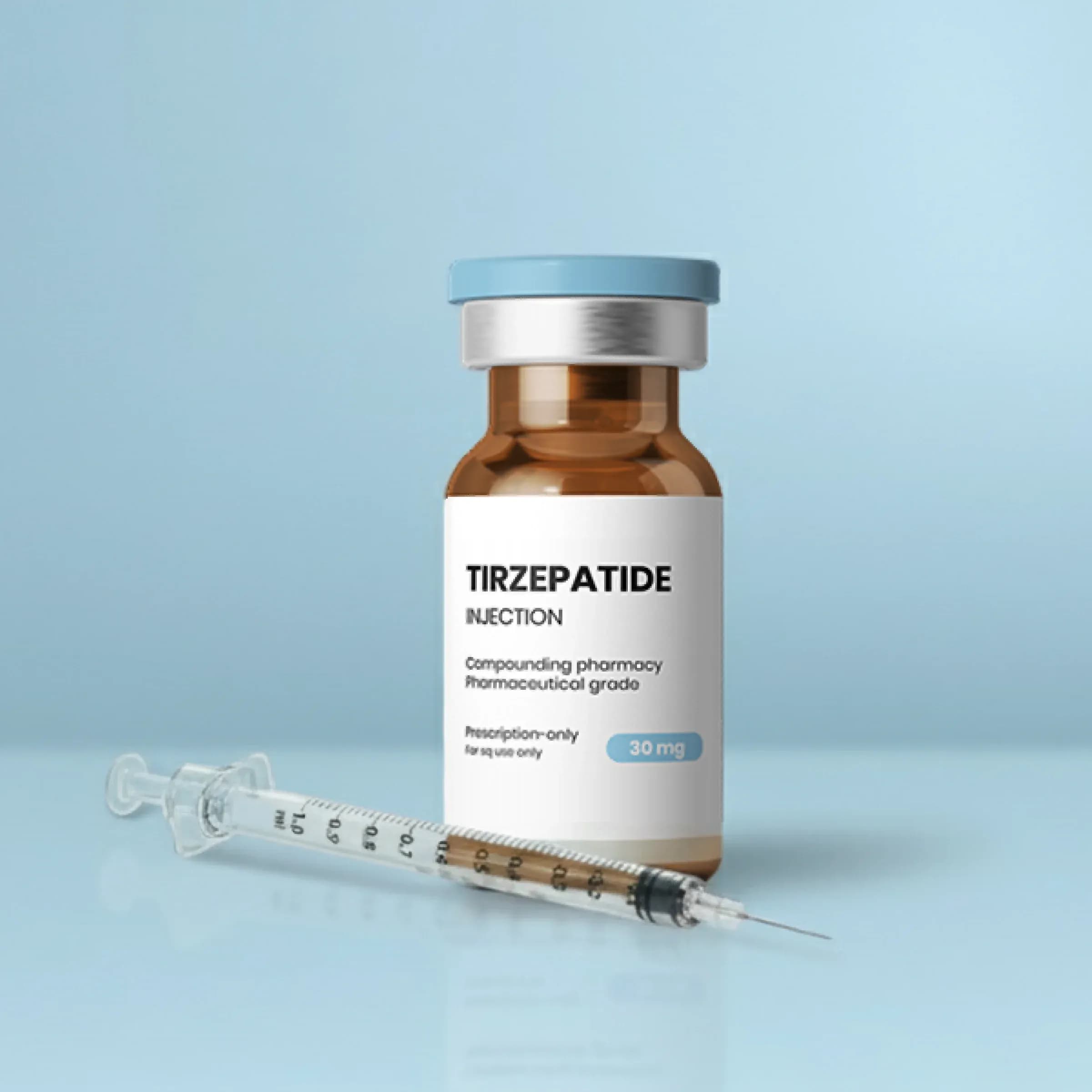
Yes, constipation and nausea are two of the most common side effects of GLP-1 medicines, and both usually ease with time. In the trials behind the FDA labels, constipation affected 24% of adults on Wegovy® (11% on placebo), 11% to 17% on Zepbound® (5%), 6% to 7% on Mounjaro® (1%) and 3% to 5% on Ozempic® (1.5%). Nausea was more common still: 44% on Wegovy and 25% to 29% on Zepbound. Both are worst in the weeks around a dose increase. In the main Wegovy trials, a typical bout of nausea lasted about 8 days, while constipation lasted longer, about 47 days.
What helps most is simple: steady fluids, fiber added slowly, daily movement, and smaller, low-fat meals that you stop when you feel full. Ask your pharmacist or provider before you use a laxative or an anti-nausea medicine. Severe belly pain that won't go away, vomiting you can't stop, or no stool and no gas with a swollen belly need medical care right away.
This article covers the stomach side effects in depth; for the full list, see our guide to tirzepatide side effects. Compounded semaglutide and tirzepatide are not FDA-approved and have no trial rates of their own. At MaxLife, ongoing medical support is included with compounded semaglutide ($89/mo flat) and compounded tirzepatide ($120/mo flat), so you can ask a provider about side effects at any time.
Does Ozempic Cause Constipation?
Yes, but less often than the higher-dose weight-loss medicines. In the Ozempic label's placebo-controlled trials in adults with type 2 diabetes, constipation was reported by 5% of people on 0.5 mg and 3.1% on 1 mg, compared with 1.5% on placebo. Stomach side effects of any kind affected 32.7% to 36.4% of people on Ozempic vs 15.3% on placebo.
Wegovy is the same drug, semaglutide, at higher doses for weight management, and constipation is far more common on it: 24% vs 11% on placebo in the Wegovy label. So if you take semaglutide for weight loss, expect the Wegovy numbers to be the closer guide. Since approval, all four labels in this article also list reports of severe constipation, including fecal impaction, and of blocked bowels.
How Common Is Constipation on Wegovy, Zepbound and Mounjaro?
Here is what each FDA label reports for constipation:
| Medicine and trials | Constipation | On placebo |
|---|---|---|
| Ozempic 0.5 mg and 1 mg (type 2 diabetes) | 5% and 3.1% | 1.5% |
| Wegovy 2.4 mg (weight management) | 24% | 11% |
| Wegovy HD 7.2 mg (weight management) | 20% (19% on 2.4 mg) | 8% |
| Zepbound 5, 10 and 15 mg (weight management) | 17%, 14% and 11% | 5% |
| Mounjaro 5, 10 and 15 mg (type 2 diabetes) | 6%, 6% and 7% | 1% |
Sources: prescribing information on DailyMed for Ozempic, Wegovy, Zepbound and Mounjaro, current as of November 2026.
The trials differ in who took part, how long they ran and which doses were used, and the labels warn that rates from one drug's trials can't be compared directly with another's. Even so, two things stand out: constipation was reported more often in the weight-management trials (Wegovy, Zepbound) than in the diabetes trials (Ozempic, Mounjaro), and on Zepbound it was most common at the 5 mg dose. In a long Mounjaro heart trial of adults with type 2 diabetes, constipation was reported by 13% over about four years.
Why Do GLP-1 Medicines Cause Constipation?
GLP-1 medicines slow how fast food leaves your stomach, and they make you eat, and often drink, less. Both can leave stool harder and slower to pass. Food sits longer in the stomach (the labels call this delayed gastric emptying), smaller meals mean less fiber, and feeling full can make you drink less water through the day, a point the expert panel behind a 2023 consensus on GLP-1 stomach side effects made too.
How Long Does GLP-1 Constipation Last?
Longer than nausea, often for several weeks. In a pooled analysis of the STEP 1 to 3 trials of semaglutide 2.4 mg (Wegovy), the typical bout of constipation lasted 47 days, compared with 35 days for people on placebo, and the share of people with constipation leveled off around week 10 (Diabetes, Obesity and Metabolism, 2022). That analysis was funded by Novo Nordisk, the maker of Wegovy.
There is no similar published figure for tirzepatide. The Zepbound and Mounjaro labels say only that most nausea, vomiting and diarrhea happened during dose increases and decreased over time. Constipation can come back after a dose increase. If it lasts more than a few weeks despite the steps below, tell your provider.
What Helps Constipation on a GLP-1?
Most GLP-1 constipation can be handled at home with the steps the National Institute of Diabetes and Digestive and Kidney Diseases (NIDDK) recommends for constipation in general:
- Drink through the day. Water and other sugar-free drinks, in small amounts often, especially when you add fiber. The Medication Guides for Ozempic, Wegovy, Zepbound and Mounjaro also tell you to drink fluids to lower your chance of dehydration.
- Add fiber slowly. NIDDK says adults should get 22 to 34 grams of fiber a day, depending on age and sex, from foods like vegetables, fruit, beans and whole grains. Add it a little at a time, and drink more as you do.
- Move every day. Regular physical activity helps stool move. A walk after meals counts.
- Give your bowels a routine. NIDDK suggests trying for a bowel movement at the same time each day, for example 15 to 45 minutes after breakfast, because eating helps your colon move stool. Go as soon as you feel the urge.
Our GLP-1 diet guide has meal ideas that fit a smaller appetite.
Which Laxative Is Best for Ozempic Constipation?
No laxative has been tested specifically for GLP-1 constipation, and the right one depends on you, so ask your pharmacist or provider which type and how much to use. NIDDK lists these over-the-counter types for short-term use:
- fiber supplements, which add bulk and need plenty of fluid
- osmotic laxatives, such as polyethylene glycol or magnesium-based products, which draw water into the stool
- stool softeners, which the 2023 expert consensus suggests considering for GLP-1 constipation
- lubricants, such as mineral oil
- stimulant laxatives, which NIDDK says to use only if constipation is severe or other treatments haven't worked
Tell the pharmacist that you take a GLP-1 medicine and about your other health conditions and medicines. The Ozempic and Wegovy labels note that slower stomach emptying may affect how other medicines taken by mouth are absorbed. If you have severe belly pain, vomiting, or can't pass gas, get medical care before trying a laxative: NIDDK says those signs need a doctor right away, and the labels list blocked bowels among reports since approval.
How Often Should You Poop on Ozempic?
There is no set number, but fewer than three bowel movements a week is the usual definition of constipation, according to NIDDK. Hard, dry or lumpy stools, straining, or feeling that you haven't finished also count. Because you eat less on a GLP-1, you may go less often than before. What matters more is a change from your normal pattern, pain, or no bowel movement at all for several days.
How Common Is Nausea on Each GLP-1?
Nausea is the most common side effect on every GLP-1 label. Here is what the trials reported:
| Medicine and trials | Nausea | On placebo |
|---|---|---|
| Ozempic 0.5 mg and 1 mg (type 2 diabetes) | 15.8% and 20.3% | 6.1% |
| Wegovy 2.4 mg (weight management) | 44% | 16% |
| Wegovy HD 7.2 mg (weight management) | 39% (35% on 2.4 mg) | 13% |
| Zepbound 5, 10 and 15 mg (weight management) | 25%, 29% and 28% | 8% |
| Mounjaro 5, 10 and 15 mg (type 2 diabetes) | 12%, 15% and 18% | 4% |
Vomiting and diarrhea follow a similar pattern: on Wegovy, vomiting affected 24% (6% on placebo) and diarrhea 30% (16%); on Zepbound, 8% to 13% and 19% to 23%. Most of it was mild to moderate. Severe stomach side effects were reported in 4.1% of people on Wegovy (0.9% on placebo) and 1.7% to 3.1% on Zepbound (1%).
How Long Does Ozempic Nausea Last?
Each bout of nausea is usually short, about a week, but it can return after each dose increase. In the STEP 1 to 3 analysis, the typical bout of nausea on semaglutide 2.4 mg lasted 8 days, diarrhea 3 days and vomiting 2 days, similar to placebo. The share of people with nausea peaked around week 20, near the end of the dose step-up, and fell after that. The Ozempic and Wegovy labels say most reports of nausea, vomiting and diarrhea happened during dose escalation.
That answers "when do you feel the worst on Ozempic": for most people, in the days after starting or after moving up to a new dose. The Zepbound and Mounjaro labels describe a similar pattern for tirzepatide: most nausea, vomiting and diarrhea happened during dose increases and decreased over time.
How Do You Get Rid of GLP-1 Nausea?
There is no instant fix, but changes to how and what you eat help most people. The SURMOUNT trial investigators advised people with stomach symptoms on tirzepatide to eat smaller meals, split three meals into four or more, and stop eating when full; they also suggest avoiding fatty foods and choosing bland ones (Diabetes, Obesity and Metabolism, 2025). The 2023 expert consensus adds:
- eat slowly and only when you're hungry
- don't lie down right after a meal, and avoid eating close to bedtime
- choose easy-to-digest, low-fat foods, and avoid very sweet meals
- sip fluids through the day; if nausea persists, drink 30 to 60 minutes before or after meals rather than with them
Nausea, vomiting and diarrhea can dehydrate you, and dehydration can make you feel worse and, in rare cases, hurt your kidneys. Low energy is common too; see does semaglutide make you tired and does tirzepatide make you tired for how eating less and fluid loss tie in.
What Over-the-Counter Medicine Helps GLP-1 Nausea?
No over-the-counter medicine has been tested for GLP-1 nausea in the trials we reviewed, so ask your pharmacist or provider before you take one, and don't take more than the package directions allow. A few facts help with the common questions:
- Antacids are meant for heartburn and indigestion, which are listed side effects too (heartburn, or reflux, affected 4% to 5% of people on Zepbound vs 2% on placebo). Ask your pharmacist whether one fits your symptoms.
- Ondansetron (sold as Zofran) is a prescription anti-nausea medicine, not an over-the-counter one. In the SURMOUNT trials, 13.8% to 27.5% of people on tirzepatide used an anti-nausea medicine at some point, vs 5.8% to 6.7% on placebo, mostly during the first 24 weeks. Whether you need one is your provider's call.
- Products for motion sickness or an upset stomach were made for other causes of nausea. Ask your pharmacist whether one is safe with your other medicines.
Does Where You Inject Change Nausea?
No evidence says it does. The Ozempic, Wegovy and Zepbound labels say the amount of medicine that reaches your blood is similar whether you inject in the abdomen, thigh or upper arm. Choose the site you can inject comfortably and rotate within it, as your label or pharmacy instructions describe.
Can Your Provider Slow the Dose Increases?
Yes, and that is one of the main tools for stomach side effects. All four labels say to follow the slow dose step-up "to reduce the risk of gastrointestinal adverse reactions," and they give prescribers room: the Wegovy label says to consider delaying the next dose increase by 4 weeks if a dose isn't tolerated, and the Zepbound label says to consider a lower maintenance dose. In the STEP trials, stomach side effects led to a lower dose or a short break in 12.5% of people on semaglutide 2.4 mg. These are your provider's decisions; don't skip, split or change doses on your own. Our semaglutide dosage chart shows the label step-ups.
When Are Nausea or Constipation an Emergency?
Most nausea and constipation on a GLP-1 is uncomfortable, not dangerous. These signs are different and need medical care right away:
- Severe stomach pain that won't go away, with or without vomiting, sometimes spreading to your back: a possible sign of pancreatitis. The labels say to stop the medicine and call your provider.
- Pain in the upper stomach with fever, yellow skin or eyes, or clay-colored stools: possible gallbladder problems.
- A swollen belly, vomiting, and no stool or gas: possible bowel blockage (ileus or intestinal obstruction), which the labels list among reports after approval.
- Vomiting for more than 24 hours, being unable to keep fluids down for 12 hours, not urinating for 8 hours, or vomiting 3 or more times in a day (MedlinePlus). Fluid loss can lead to kidney injury, which the labels warn about.
- Constipation with bleeding from the rectum, blood in your stool, constant belly pain, fever, or weight loss you can't explain (NIDDK).
Call 911 for vomit with blood or material that looks like coffee grounds. Also tell your provider about nausea, vomiting or diarrhea that doesn't go away, as all four Medication Guides advise.
Could a Dosing Mistake Be Causing It?
If your medicine comes in a vial that you draw up with a syringe, check your dose. In July 2024, the FDA warned about dosing errors with compounded semaglutide: confusion between milligrams, milliliters and syringe "units" led some patients to inject 5 to 20 times the intended dose, and people reported nausea, vomiting, stomach pain, fainting and dehydration, some needing hospital care. If you're unsure how many units to draw, ask your pharmacy or provider before your next dose. MaxLife has instructions from the partner pharmacies that publish them.
What About Compounded Semaglutide and Tirzepatide?
Compounded semaglutide or tirzepatide is prepared by a licensed pharmacy for one patient's prescription and is not FDA-approved, which means the FDA hasn't reviewed it for safety, effectiveness or quality. It was not studied in STEP, SUSTAIN, SURMOUNT or SURPASS, so the rates in this article come from the brand-name medicines and have not been measured for compounded versions. Report stomach side effects to your provider the same way, and use the warning signs above.
Here is how MaxLife works. MaxLife is a telehealth patient management platform, not a pharmacy or drug maker. A licensed provider reviews your online intake, health history and clinical records, usually within 24 hours, can follow up with questions, and you can ask for a video visit. The provider decides whether a prescription is right for you and when to change your dose, and licensed partner pharmacies prepare and dispense it. Compounded semaglutide is $89/mo flat and compounded tirzepatide is $120/mo flat, the same price at every dose, so a slower step-up doesn't change what you pay. Both include the provider's review and follow-up, the medicine if prescribed, supplies and free ongoing medical support, with no membership fee.
The Bottom Line
Constipation and nausea are common on every GLP-1, from Ozempic and Wegovy to Zepbound and Mounjaro, and both are worst around dose increases. Nausea usually comes in short bouts of about a week; constipation tends to last longer, often several weeks. Fluids, slowly added fiber, daily movement and smaller, low-fat meals help most people; ask your pharmacist or provider before using a laxative or anti-nausea medicine, and talk to your provider about slowing the step-up if symptoms don't settle. Severe or constant belly pain, vomiting you can't stop, signs of dehydration, or no stool and no gas need care right away. For every other side effect, see our guide to tirzepatide side effects.
Frequently Asked Questions
Semaglutide or Tirzepatide, With Ongoing Provider Support
MaxLife compounded semaglutide $89 a month and tirzepatide $120 a month, flat. All-inclusive, no membership fee, the same price at every dose. A licensed provider decides.
Check Your EligibilityThis article is for informational purposes only and is not a substitute for professional medical advice, diagnosis, or treatment. Individual results vary. Pricing, insurance coverage, and compounding regulations described here are subject to change; verify current details with your insurance provider, the manufacturer, or your prescriber before making treatment decisions. Compounded medications are not FDA-approved.
Why trust our experts

April Foster, DO MPH
Reviewer
Board Certified Family Medicine Physician licensed nationwide providing collaborative oversight to NPs, PAs, and RN. Also specializing in telemedicine services nationwide.
Sources
- Ozempic (semaglutide) injection prescribing information (DailyMed)
- Wegovy (semaglutide) injection and tablets prescribing information (DailyMed)
- Zepbound (tirzepatide) prescribing information (DailyMed)
- Mounjaro (tirzepatide) prescribing information (DailyMed)
- Diabetes, Obesity and Metabolism: Gastrointestinal tolerability of once-weekly semaglutide 2.4 mg (STEP 1 to 4), 2022
- Diabetes, Obesity and Metabolism: Gastrointestinal adverse events with tirzepatide in SURMOUNT-1 to -4, 2025
- Journal of Clinical Medicine: Clinical recommendations to manage gastrointestinal adverse events with GLP-1 receptor agonists, expert consensus, 2023
- Postgraduate Medicine: Managing the gastrointestinal side effects of GLP-1 receptor agonists in obesity, 2022
- NIDDK: Treatment for constipation
- NIDDK: Symptoms and causes of constipation
- MedlinePlus: Nausea and vomiting, adults
- FDA: Dosing errors associated with compounded injectable semaglutide products, July 2024
Tirzepatide Side Effects: What's Common, What's Serious, What Helps
November 12, 202615 min
Does Semaglutide Make You Tired? Ozempic and Wegovy Fatigue Explained
November 14, 202613 min
Does Tirzepatide Make You Tired? Why It Happens and How Long It Lasts
September 30, 202612 min
Semaglutide Dosage Chart for Weight Loss: Doses, Schedule and Units
November 5, 202613 min