
GLP-1 Guide · Exercise & Fitness

Taking a GLP-1? Keep Exercise in Your Plan

Exercise helps you protect muscle, build a routine you can keep, and support your results over the long run.

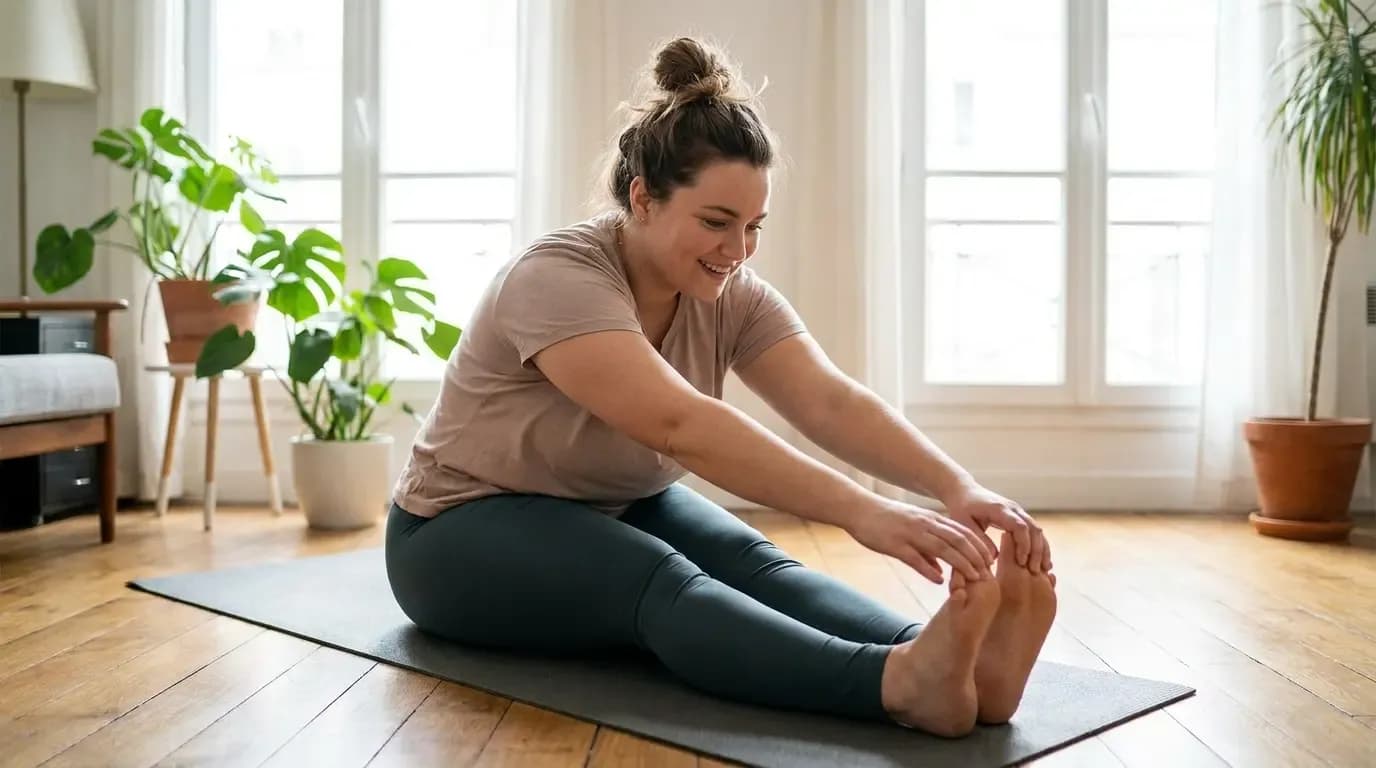
Adult woman stretching on a mat

GLP-1 medications were first developed to help people with Type 2 diabetes manage blood sugar. Some of them, such as Wegovy® (semaglutide), are also approved for treating obesity. They work in part by slowing digestion and reducing appetite and food cravings.

Medication is only one part of the picture. Exercise plays a key role in how well the treatment works for your body over time. This guide explains why, and outlines the types of activity that tend to help most.

Why exercise matters on a GLP-1

GLP-1 medications can produce rapid weight loss. Without enough physical activity, some of the weight you lose may be muscle rather than fat. Exercise helps protect lean tissue and supports your metabolism, which makes it easier to sustain results.

Why muscle is worth protecting

Endocrinologist Anira Iqbal, MD, of Cleveland Clinic notes that muscle is hard to rebuild once it has been lost. Combining strength training with aerobic exercise helps ensure that most of what you lose is fat.

Muscle also matters for your resting energy use. Your basal metabolic rate (BMR) is the number of calories your body burns at rest to keep your organs working. As you age, and particularly after menopause, building muscle is one of the few ways to raise it.

Four types of exercise to combine

No single kind of workout does everything. A mix of the following works best.

Strength training

Weights, resistance bands and bodyweight moves like push-ups help preserve muscle and bone density while you lose weight.

Aerobic exercise

Walking, running, cycling and swimming support long-term weight management and improve cardiorespiratory fitness, insulin sensitivity and glucose tolerance.

Plyometrics

Box jumps and burpees blend strength and cardio in one movement, building power, speed and strength. Introduce them gradually.

Stretching & flexibility

Yoga, Pilates and stretching routines help lower stress and prepare muscles for training. Managing stress matters because it can contribute to weight gain.

Sample weekly workout schedule

Varying your workouts gives different muscle groups time to recover while you build a steady habit. A common target for adults is about 150 minutes of moderate-intensity activity or 75 minutes of vigorous activity each week. Guidelines from the CDC and WHO also recommend muscle-strengthening activity on at least two days a week. Intensity is largely a matter of how high your heart rate climbs.

DayFocus
MondayFull-body strength training and light stretching
TuesdayModerate-intensity cardio
WednesdayFlexibility and core work
ThursdayUpper-body strength training and a short cardio session
FridayLower-body strength training
SaturdayActive recovery: a walk, hike or yoga
SundayRest and recovery

This is only one example. Build a schedule that fits your goals and your life. An exercise physiologist or athletic trainer can help you tailor it.

Four tips for getting started and staying consistent

1. Start slowly

During the first weeks, when you are on the lowest dose, ease into exercise and avoid overdoing it. If you are new to regular activity, 10 to 15 minutes a day of light movement, such as walking or stationary cycling, is a good start.

As your dose rises from around week five onward, raise your activity level too. Add weight, reps or sets gradually, or use a periodization plan to track progress. Keep progressing your strength training even if you later stop the medication. The muscle you have built helps keep your metabolic rate higher.

2. Prioritize protein

Protein supplies the building blocks for muscle, so include it at every meal. This can be hard when GLP-1s dampen your appetite. Eating the protein portion of your meal first, before you feel full, helps. A registered dietitian can help you work out how much you need.

Nutrient-dense protein sources include:

  • Chicken
  • Fish
  • Eggs
  • Greek yogurt
  • Cottage cheese
  • Beans, lentils & legumes

Protein shakes and powders can be useful when you are eating smaller, more frequent meals. Check labels carefully, since many products contain added sugars or other additives.

3. Stay hydrated

GLP-1s can cause nausea or vomiting, especially early in treatment. Drinking enough water can ease some of these effects and supports your body under the stress of exercise. These medications can also blunt thirst, so build in reminders, such as a phone alarm, to drink throughout the day.

4. Listen to your body

Stop exercising and contact your healthcare provider if you feel dizzy or nauseated, or have trouble breathing. Some of these symptoms can be linked to low blood sugar.

Low blood sugar and diabetes medication

Learn the signs of low blood sugar, both when you start a GLP-1 and when you exercise. If you take other diabetes medications, your provider may need to adjust their doses, and you may need to check your blood sugar more often.

Whether or not you have diabetes, paying attention to how you feel reduces your risk of injury and helps you get more from your efforts. The more gradually you build up, the better you are likely to feel.

See if a GLP-1 plan is right for you

Complete a private online intake. A licensed provider will review your health history and decide whether treatment is appropriate.

Check Your Eligibility
Sources

This page is for general education and is not medical advice. Talk with a licensed healthcare provider before starting or changing an exercise program or medication, especially if you have diabetes, heart disease or other health conditions.