Pharmacy guide · Federal rules, November 2026

503A vs 503B Compounding Pharmacies: What's the Difference for GLP-1s?

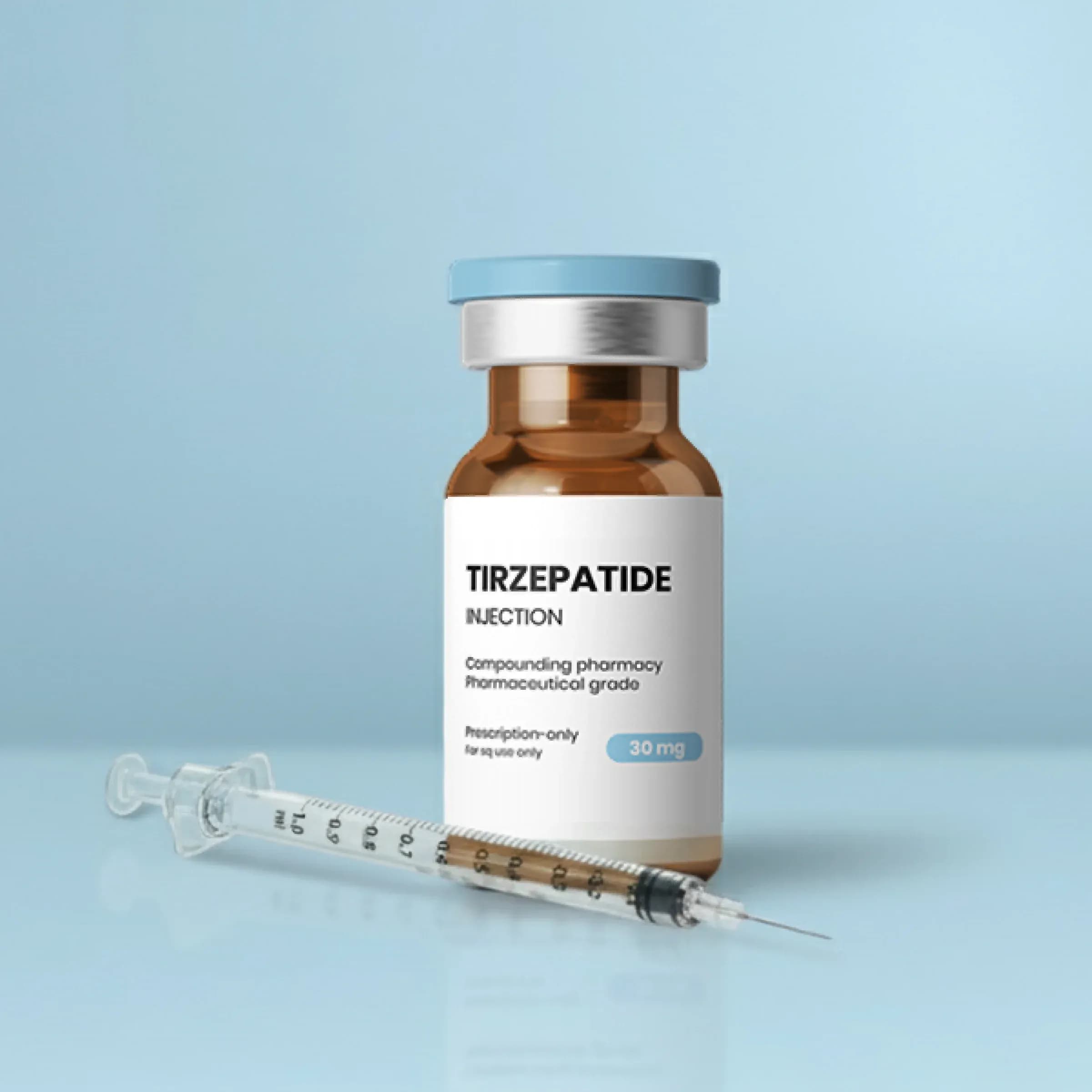
The difference is who oversees them and who they make medicine for. A 503A compounding pharmacy is licensed by your state's board of pharmacy and prepares medicine for one patient's prescription. A 503B outsourcing facility registers with the FDA, follows federal manufacturing rules and can make batches for clinics without a prescription for each patient. For GLP-1s in 2026, a 503A pharmacy may compound tirzepatide or semaglutide for an individual patient under FDA conditions; a 503B facility may not make them from bulk ingredients. Neither makes a compounded drug FDA-approved.

Last updated

About this page

Who wrote it, and how we checked the law

MaxLife wrote this page, and we offer compounded tirzepatide and semaglutide through licensed partner pharmacies, so we have an interest in the topic. We are not a pharmacy or a law firm, and this is not legal advice.

  1. The law itself

    Sections 503A and 503B of the federal drug law, read in the U.S. Code.

  2. The FDA's own pages

    Its compounding Q&A, its GLP-1 compounding statement (current as of April 1, 2026), its list of registered outsourcing facilities and the Federal Register, read again in November 2026.

  3. Same facts for both

    We describe 503A pharmacies and 503B facilities by the same facts. Neither type is ranked, and no pharmacy is called FDA-approved.

Reviewed by the MaxLife operations team.

How we made this page: we researched it from the sources listed below and drafted it with the help of AI tools. The MaxLife operations team reviews every page before it goes live, and a licensed clinician also reviews our medical articles.

Rules, the FDA's facility list and the Federal Register checked in November 2026. Seen a rule that changed? Email web@maxlife.com and we will check it and fix the page.

503A vs 503B

The differences at a glance

503A compounding pharmacy503B outsourcing facility
What it isA state-licensed pharmacy (or a physician) that compounds for individual patientsA facility that compounds sterile drugs and chooses to register with the FDA; it does not have to be a pharmacy
Federal lawSection 503A of the Food, Drug, and Cosmetic Act (added in 1997)Section 503B, created by the Drug Quality and Security Act on November 27, 2013
Main overseerYour state board of pharmacy, day to day; the FDA can inspectThe FDA, which inspects on a risk-based schedule; states may license it too
Prescription for each patientYes. Small amounts ahead of a prescription are allowed, based on past prescriptionsNot required: it can fill prescriptions or supply hospitals and clinics as office stock
Quality rulesUSP compounding standards and state rules; not federal manufacturing rules (CGMP)Federal current good manufacturing practice (CGMP), the rules drug makers follow
Registers with the FDANoYes, every year from October 1 to December 31; the FDA posts a public list
Reports to the FDANot required by federal law to report adverse eventsAdverse events, plus the drugs it made, every June and December
Bulk ingredientsMust meet a USP monograph, be part of an FDA-approved drug or be on the FDA's 503A list; made by an FDA-registered maker, with a certificate of analysisOnly if on the FDA's 503B bulks list, or if the drug is on the FDA's shortage list
Copies of approved drugsNot regularly or in large amounts, unless the prescriber documents a significant difference for that patientNot allowed, unless the approved drug is in shortage
Tirzepatide and semaglutide in 2026Allowed for an individual patient's prescription, within the copy limitsNot from bulk ingredients: neither drug is on the 503B bulks list or the shortage list
LabelSet by state pharmacy law"This is a compounded drug," the facility's name and phone, and "Office Use Only" if not for a named patient
FDA-approved product?NoNo
How to check oneYour state board of pharmacy's license lookupThe FDA's list of registered outsourcing facilities

Sources: section 503A and section 503B of the federal law; FDA Q&A; FDA, April 1, 2026. Checked in November 2026.

What is a compounding pharmacy?

A compounding pharmacy prepares a medicine for a patient instead of only handing out a factory-made product. The FDA describes compounding as a practice in which a licensed pharmacist, a licensed physician or, in an outsourcing facility, a person supervised by a licensed pharmacist "combines, mixes or alters ingredients of a drug to create a medication tailored to the needs of an individual patient" (FDA).

Typical reasons are a patient who is allergic to a dye in the approved product, a child who needs a liquid instead of a tablet, or a drug on the FDA's shortage list. A regular pharmacy mostly dispenses FDA-approved medicines made by drug companies. Sterile compounding, which covers injections such as GLP-1 vials, needs clean-room conditions, and states such as California and Texas license it separately.

Compounded drugs are not FDA-approved: the FDA does not verify their safety, effectiveness or quality before they are sold. Federal law sorts compounders into two groups, named after the sections of the law that cover them: 503A and 503B.

What is a 503A pharmacy?

A 503A pharmacy is a traditional compounding pharmacy: a state-licensed pharmacy where a licensed pharmacist prepares a medicine "for an identified individual patient based on the receipt of a valid prescription order" (section 503A). There is no federal 503A license or registration; the name only means the pharmacy compounds under that section of the law. The FDA lists about 100 registered outsourcing facilities, so most compounding pharmacies you will come across are 503A pharmacies.

Meeting the 503A conditions exempts the medicine from FDA approval, federal manufacturing rules (CGMP) and some labeling rules. The pharmacy must use ingredients that meet USP standards, use bulk drug substances made by an FDA-registered manufacturer and sent with a certificate of analysis, and not "regularly or in inordinate amounts" make copies of commercially available drugs.

Who regulates a 503A pharmacy? State boards of pharmacy have "primary responsibility for the day-to-day oversight" of these pharmacies, according to the FDA, which also does surveillance and for-cause inspections. A 503A pharmacy that mails medicine to another state also needs a license in that state.

What is a 503B outsourcing facility?

A 503B outsourcing facility is a compounder that makes sterile drugs and has chosen to register with the FDA under section 503B. Congress created the category in the Drug Quality and Security Act of November 27, 2013, after contaminated drugs from a Massachusetts compounding pharmacy caused more than 750 infections and more than 60 deaths in 2012. The law says an outsourcing facility "is not required to be a licensed pharmacy" and "may or may not obtain prescriptions for identified individual patients" (section 503B).

So a 503B facility can make batches and supply hospitals, clinics and doctors' offices as office stock. In return it must follow current good manufacturing practice (CGMP), re-register with the FDA every year and pay a fee, report adverse events, tell the FDA every June and December which drugs it made, and accept FDA inspections on a risk-based schedule (FDA). It may use bulk ingredients only if they are on the FDA's 503B bulks list or the drug is in shortage.

Its label must say "This is a compounded drug" and give the facility's name and phone number; a product that is not for a named patient must say "Office Use Only." The FDA's list of registered outsourcing facilities listed 100 facilities in its November 17, 2026 update.

A licensed provider decides, a licensed pharmacy fills it

MaxLife connects you with independent licensed providers and licensed partner pharmacies. Tirzepatide $120/mo flat, semaglutide $89/mo flat.

Check if you qualify

Who can make compounded tirzepatide and semaglutide in 2026?

A state-licensed 503A pharmacy, for an individual patient's prescription and under FDA conditions. A 503B outsourcing facility may not make either drug from bulk ingredients, because "Tirzepatide and semaglutide do not currently appear on the 503B bulks list or on FDA's drug shortage list," as the FDA restated on April 1, 2026. Both drugs were on the FDA's shortage list from 2022, which let pharmacies and outsourcing facilities make copies. The FDA declared the tirzepatide shortage over on December 19, 2024 and the semaglutide shortage over on February 21, 2025. The grace periods ended March 5, 2025 (503A) and March 19, 2025 (503B) for tirzepatide, and April 24, 2025 (503A) and May 22, 2025 (503B) for semaglutide. The Fifth Circuit Court of Appeals upheld the FDA on August 27, 2026.

For a 503A pharmacy, the conditions are that the medicine is compounded for an individual patient on a prescription, and the pharmacy does not "regularly or in inordinate amounts" make products that are "essentially copies" of Zepbound®, Mounjaro®, Wegovy® or Ozempic®, unless a prescriber "determines and documents" a change that "produces a significant difference" for an identified patient. The FDA says a product that adds an ingredient such as vitamin B12 can still be essentially a copy. It does not intend to act against a pharmacy that fills four or fewer prescriptions of such a copy in a calendar month.

GLP-1 rules

Who may compound tirzepatide and semaglutide, November 2026

  • 503A · TirzepatideAllowed, with conditions

    For an individual patient's prescription. No regular copies of Zepbound or Mounjaro unless the prescriber documents a significant difference for that patient.

    FDA, April 1, 2026; shortage over since December 19, 2024
  • 503B · TirzepatideNot from bulk ingredients

    Tirzepatide is not on the 503B bulks list or the shortage list. The grace period ended March 19, 2025.

    FDA, April 1, 2026
  • 503A · SemaglutideAllowed, with conditions

    The same conditions as tirzepatide. Salt forms such as semaglutide sodium or acetate have no lawful basis for compounding, the FDA says.

    FDA, April 1 and October 1, 2026
  • 503B · SemaglutideNot from bulk ingredients

    Semaglutide is not on the 503B bulks list or the shortage list. The grace period ended May 22, 2025.

    FDA, April 1, 2026

Neither type of pharmacy makes the medicine FDA-approved. Sources: FDA, April 1, 2026; FDA, October 1, 2026.

What could change next

On April 30, 2026 the FDA proposed to keep semaglutide, tirzepatide and liraglutide off the 503B bulks list (Federal Register, May 1, 2026). Comments closed July 30, 2026 (extension notice), and no final decision had been published as of November 2026. Separately, on February 6, 2026 the FDA said it intends to restrict the GLP-1 ingredients used in mass-marketed compounded drugs; we found no rule putting that into effect yet.

For every date, court ruling and state rule, see Is Compounded Tirzepatide Still Legal in 2026?.

Which one fills a telehealth GLP-1 prescription?

Usually a state-licensed 503A pharmacy. When a telehealth provider prescribes compounded tirzepatide or semaglutide, the prescription is written for you, and in 2026 a 503A pharmacy may fill it under the conditions above, while a 503B facility may not make these drugs from bulk ingredients. The pharmacy must be licensed to ship to the state you live in, and its name and address should be on your label.

Ask which pharmacy will fill your prescription before you pay, then check it as shown below. Walk away from any seller that offers a GLP-1 without a prescription, calls its pharmacy "FDA-approved" or sells vials labeled "for research use only." The FDA says it "does not approve or license any facility" (FDA guidance for telehealth companies).

How do you check a 503A pharmacy or a 503B outsourcing facility?

A 503A pharmacy is checked through your state board of pharmacy, and a 503B facility through the FDA's list. Six steps, in the order you can do them:

How to check

6 steps to check a 503A pharmacy or a 503B facility

  1. Get the name

    Ask the provider or program before you pay, or read the label: the pharmacy or facility that prepared your medicine and its address.

  2. 503A: look up the license

    Use your state board of pharmacy's lookup; the FDA BeSafeRx page links every state. An out-of-state pharmacy needs a license in your state.

  3. Check sterile compounding

    Injections need sterile compounding. Some states, such as California and Texas, show it as its own license or class.

  4. 503B: find it on the FDA list

    The FDA list shows each facility's registration dates, last inspection and whether a Form 483 was issued.

  5. Search FDA records

    Look up the name on the FDA's compounding actions and warning letter pages. A Form 483 lists inspection observations; it is not a final FDA decision.

  6. Report a problem

    Tell the FDA through MedWatch (1-800-FDA-1088) and tell your state board of pharmacy.

The FDA's list does not include state board actions.

Is 503A or 503B better?

Neither is better across the board; they do different jobs. A 503B facility works under stricter federal process rules: CGMP, yearly FDA registration, routine FDA inspections and adverse event reporting. A 503A pharmacy works under state oversight and compounds for you as a named patient, which is how individual prescriptions, including telehealth GLP-1 prescriptions in 2026, are filled.

Quality depends on the specific pharmacy or facility and its record, so check it either way. Neither type makes a compounded drug FDA-approved, and a 503B registration is not an FDA approval.

Where does MaxLife fit?

MaxLife is a telehealth patient management platform, not a pharmacy, manufacturer or compounder; MaxLife does not produce medication. A licensed provider reviews your online intake, health history and clinical records, usually within 24 hours, can follow up with questions, and you can ask for a video visit. A prescription is written only if the provider decides it is right for you. Licensed partner pharmacies prepare and dispense it. Which pharmacy fills a prescription depends on your state, the prescription and availability. MaxLife is LegitScript certified.

The label on your vial names the pharmacy that prepared it and gives a beyond-use date, so you can check that pharmacy the way this page shows. The number of units you draw depends on the concentration printed on the label, so follow the label on the vial you have and your prescriber's instructions. Your box comes packed with cold packs, and the provider approves each refill before it ships.

Compounded tirzepatide through MaxLife is $120/mo flat and compounded semaglutide $89/mo flat: the full price per month, the same price at every dose, with no membership fee. Compounded tirzepatide and semaglutide are prepared by a licensed pharmacy for one patient's prescription and are not FDA-approved, which means the FDA hasn't reviewed them for safety, effectiveness or quality. If your insurance covers a brand-name GLP-1, it may cost you less, so check your coverage first; our guide to online tirzepatide providers compares the options.

MaxLife pricing

Two flat prices, the same at every dose

All-inclusive, with no membership fee and no hidden fees. Cancel anytime with notice before your next billing period.

Tirzepatide

Compounded tirzepatide

$120/mo flat

All-inclusive and the same price at every dose.

  • Free online consultation
  • Medicine, if prescribed
  • Supplies and free expedited shipping
  • Free ongoing medical support
Check if you qualify →
Semaglutide

Compounded semaglutide

$89/mo flat

All-inclusive, with nothing to pay ahead.

  • No insurance needed
  • HSA and FSA may be eligible
  • Same price at every dose
  • Spanish-speaking team
Check if you qualify →

Frequently asked questions

Questions about 503A and 503B pharmacies

No national list. Each state board of pharmacy licenses pharmacies and has its own lookup; the FDA's BeSafeRx page links all of them.
No. Most are state-licensed 503A pharmacies, but about 100 facilities are registered with the FDA as 503B outsourcing facilities, and some companies run both a 503A pharmacy and a 503B facility.
The name and address of the pharmacy or facility that made it, your name for a prescription, the drug and its strength per milliliter, a beyond-use date and storage instructions. A 503B product also says "This is a compounded drug." The FDA has found fake labels naming pharmacies that do not exist, so look up the name on yours.

Start with a licensed provider

See in about 2 minutes whether compounded tirzepatide or semaglutide may suit you: $120/mo flat or $89/mo flat, the same price at every dose.

Check if you qualify
Sources

General information only, not medical or legal advice. The FDA does not approve compounded medications or review them for safety, effectiveness or quality. MaxLife is a patient management platform, not a pharmacy, drug maker or compounder, and a prescription is written only when a licensed provider decides treatment suits you. Facts were taken from public pages in November 2026 and may change, so confirm them before you act. Legal rules are described from federal sources for general information; they are not a legal opinion, and state rules can add to them. Zepbound®, Mounjaro® and KwikPen® are registered trademarks and Foundayo™ is a trademark of Eli Lilly and Company; Wegovy®, Ozempic® and Saxenda® are registered trademarks of Novo Nordisk. MaxLife is not affiliated with the other companies named.