Do GLP-1s Cause Thyroid Cancer? What the Boxed Warning Means
Pricing is accurate as of November 2026 and subject to change.
Key Takeaways
- Foundayo caused no tumors in rats, because it doesn't act on their GLP-1 receptor, yet it carries the same boxed warning.
- In the largest trial review (48 trials, 94,245 people, 2026), the range was 1 fewer to 9 more thyroid cancers per 10,000 people treated.
- Extra thyroid cancer diagnoses tend to come in the first year after starting, which researchers link to closer checking.
No one has shown that GLP-1 medicines cause thyroid cancer in people, but the question isn't fully closed. Ozempic®, Wegovy®, Mounjaro® and Zepbound® carry a boxed warning, the FDA's strongest kind of label warning, because semaglutide caused thyroid C-cell tumors in rats and mice, and tirzepatide caused them in rats. The labels say it is "unknown" whether they cause these tumors, including medullary thyroid carcinoma (MTC), in humans. Large studies from 2023 to 2026 mostly found no clear rise in thyroid cancer. Europe's medicines regulator concluded in October 2023 that the evidence doesn't support a causal link. A very rare cancer is still hard to rule out.
The labels say not to use these medicines if you or anyone in your family has had MTC, or if you have a condition called MEN 2. Tell your provider if you notice a lump or swelling in your neck, hoarseness, trouble swallowing or shortness of breath. We checked every label quoted here on DailyMed on November 24, 2026.
What Does the GLP-1 Thyroid Cancer Warning Say?
The boxed warning on every semaglutide and tirzepatide label covers three points: what happened in rodents, the fact that the effect in people is unknown, and who must not use the medicine. The Zepbound label puts it this way: "It is unknown whether ZEPBOUND causes thyroid C-cell tumors, including medullary thyroid carcinoma (MTC), in humans as human relevance of tirzepatide-induced rodent thyroid C-cell tumors has not been determined." The Ozempic and Wegovy labels use the same words for semaglutide.
The Medication Guide, the leaflet written for patients, says it more plainly: "Tell your healthcare provider if you get a lump or swelling in your neck, hoarseness, trouble swallowing, or shortness of breath. These may be symptoms of thyroid cancer."
The semaglutide labels describe tumors in mice and rats; the tirzepatide labels describe tumors in rats. Older GLP-1 medicines carry the same warning: liraglutide (Victoza® and Saxenda®) and dulaglutide (Trulicity®). Our list of GLP-1 medications shows every brand.
Who Should Not Take Ozempic, Wegovy, Zepbound or Mounjaro?
Anyone with a personal or family history of MTC, or anyone with MEN 2, should not take them. Every label lists this as a contraindication, which means the medicine should not be used at all. In the Ozempic Medication Guide's words: "Do not use" it "if you or any of your family have ever had a type of thyroid cancer called medullary thyroid carcinoma (MTC) or if you have an endocrine system condition called Multiple Endocrine Neoplasia syndrome type 2 (MEN 2)." The labels also rule the medicine out after a serious allergic reaction to it.
- MTC is a cancer of the thyroid's C cells, which make a hormone called calcitonin. It is rare: according to the National Cancer Institute, MTC makes up 3% to 4% of all thyroid cancers, and about 25% of cases are inherited.
- MEN 2 is an inherited condition caused by changes in the RET gene. MedlinePlus Genetics estimates it affects about 1 in 35,000 people, and MTC is its most common sign. A genetic test can show whether a family carries it.
The most common thyroid cancer is papillary thyroid cancer, which is a different type. If a relative had thyroid cancer and you don't know which type, find out if you can, and tell your provider either way.
What Do Human Studies Show?
Most large studies found no clear increase in thyroid cancer, a few found one, and the rarest type, MTC, is too uncommon for any study so far to settle. Most of these studies are observational, which means they follow people who were already taking a medicine. They can show a link, but they can't prove the medicine caused it. Randomized trials can show cause, but they weren't designed to look for cancer and lasted only a few years.
| Study | What it found, and its limits |
|---|---|
| France: 2,562 people with thyroid cancer vs 45,184 without, all with type 2 diabetes (Diabetes Care, 2023) | 1 to 3 years of GLP-1 use was linked to more thyroid cancer (hazard ratio 1.58) and more MTC (1.78). Limits: observational; diabetes only; could not rule out that users were checked more often. |
| Denmark, Norway and Sweden: 145,410 GLP-1 users vs 291,667 users of another diabetes drug (BMJ, 2024) | No increase: 1.33 vs 1.46 cases per 10,000 person-years. Limits: average follow-up 3.9 years; too few MTC cases for a firm answer. |
| US claims: 351,913 adults with type 2 diabetes (JAMA Otolaryngology, 2025) | No clear increase overall; more diagnoses in the first year (hazard ratio 1.85). Limits: the authors say closer checking after starting may explain the early cases. |
| International: 460,032 GLP-1 users vs three other diabetes drug groups (Diabetes Care, 2025) | No increase in thyroid tumors. Limits: only the US data passed the study's quality checks; diabetes only. |
| 64 trials lasting a year or more (Diabetes, Obesity and Metabolism, 2024) | 52% higher odds of thyroid cancer, about 1 extra case per 1,349 people treated for 5 years. Limits: a fragile result (moving a single case would have made it non-significant); no clear link for MTC alone. |
| 48 trials against placebo, 94,245 people (Annals of Internal Medicine, 2026) | "Probably little or no effect": 1 fewer to 9 more cases per 10,000 people. Limits: short trials not designed to find cancer. |
| 15 trials, 84,237 people, tirzepatide included (AACE Endocrinology and Diabetes, 2026) | No significant increase: 28 vs 15 cases. Limits: very low certainty; can't rule out a meaningful rise. |
| FDA adverse event reports compared with the US cancer registry (Head & Neck, 2026) | MTC was reported far more often with GLP-1 medicines than with other drugs. Limits: voluntary reports can't measure risk, and publicity about a warning raises reporting. |
Two patterns stand out. First, extra thyroid cancers tend to show up soon after people start the medicine. In a 2026 study of 144,410 GLP-1 users, thyroid cancer was 41% more common at first, but the difference was no longer significant after 3 years. Both research teams said closer checking after people start a new medicine may explain the early cases. Second, the Victoza label shows how screening adds diagnoses. In its diabetes trials, 7 people on liraglutide and 1 on a comparison drug were found to have papillary thyroid cancer, mostly smaller than 1 cm, after the trials' own calcitonin or ultrasound screening led to surgery.
What the studies can't do yet is rule out a small rise in MTC. MTC is so rare that even the Scandinavian study's estimate for it ranged from about a 60% lower risk to almost 4 times the risk. Most cohort studies also looked at people with type 2 diabetes, not at people taking these medicines for weight loss.
What Did Regulators Conclude?
Europe's regulator found no causal link, and the US labels still carry the warning. On October 27, 2023, the European Medicines Agency's safety committee concluded that "the available evidence does not support a causal association" between GLP-1 medicines and thyroid cancer, and that no label changes were needed. The review was prompted by the French study above and covered exenatide, liraglutide, dulaglutide, semaglutide and lixisenatide; tirzepatide was not part of it. The makers were asked to keep monitoring for new cases.
In the US, the boxed warning was still on every label we read in November 2026, including the Zepbound and Mounjaro labels revised on November 23, 2026. In a November 2026 review in Endocrine Reviews, two endocrinologists argued that the warning is no longer needed. That is their view; the FDA has not changed the labels.
Why Did Rats Get Thyroid Tumors, and Does That Apply to People?
In 2-year studies, semaglutide caused C-cell tumors in mice and rats, and tirzepatide caused them in rats, at drug levels similar to those in people. The tumors grew more common at higher doses and with longer use. The labels say the human relevance "has not been determined."
There are reasons to think rodents react differently. The 2026 Endocrine Reviews article notes that rats and mice have more C cells and more GLP-1 receptors on them, often develop C-cell tumors on their own, and form MTC by a different route than people do. It also notes that studies in primates and clinical trials in people did not show the C-cell stimulation seen in rodents.
The newest label shows the warning is about the whole class. Foundayo (orforglipron), a daily GLP-1 pill the FDA approved on April 1, 2026, does not act on the rat or mouse GLP-1 receptor and caused no tumors in a 2-year rat study, according to its label. It still carries the boxed warning and the MTC and MEN 2 contraindication: the label explains that orforglipron does act on the human GLP-1 receptor and that the human relevance of the rodent tumors "has not been determined."
Does Ozempic or Wegovy Cause Thyroid Cancer?
Ozempic and Wegovy have not been shown to cause thyroid cancer in people, but both carry the boxed warning because semaglutide caused C-cell tumors in rodents. Ozempic is semaglutide for type 2 diabetes and Wegovy is semaglutide at higher doses for weight management, so the warning and contraindication are the same; our Ozempic vs Wegovy guide covers the other differences. The European review in 2023 included semaglutide, and the 2026 Annals of Internal Medicine meta-analysis found the same result in trials of semaglutide or tirzepatide as in the full set. The Ozempic and Wegovy labels also mention MTC cases reported in people taking liraglutide, adding that "the data in these reports are insufficient to establish or exclude a causal relationship."
Does Zepbound or Mounjaro Cause Thyroid Cancer?
There is no evidence so far that tirzepatide, the medicine in Zepbound and Mounjaro, causes thyroid cancer in people, but it has been studied for less time than semaglutide. Its labels carry the boxed warning because tirzepatide caused C-cell tumors in rats in a 2-year study; a 6-month study in a special strain of mice found no tumors. What exists in people:
- A 2025 analysis of 13 tirzepatide trials with 13,761 people, lasting 26 to 72 weeks, found no increase in overall cancer or in any specific type. Calcitonin rose more on the 10 mg and 15 mg doses than on placebo, and no case of papillary thyroid cancer was reported.
- The 2026 trial meta-analyses above included tirzepatide trials and found no significant increase, with the limits shown in the table.
For tirzepatide's other side effects and warnings, see tirzepatide side effects. If you're weighing the two medicines, semaglutide vs tirzepatide compares them; neither has been shown to be safer for the thyroid.
Should You Get a Calcitonin Test or Thyroid Ultrasound?
The labels don't ask for routine screening, and they explain why. Every semaglutide and tirzepatide label says that "routine monitoring of serum calcitonin or using thyroid ultrasound is of uncertain value for early detection of MTC" and that such monitoring "may increase the risk of unnecessary procedures," because the calcitonin test often flags people who don't have cancer and thyroid nodules are common.
The labels do say what to do when a test or exam finds something:
- People with MTC usually have calcitonin above 50 ng/L. If calcitonin is measured and is high, the person "should be further evaluated."
- A thyroid nodule found on an exam or a scan should also be checked further.
A 2025 review in the Journal of Clinical Endocrinology & Metabolism found no clear agreement among experts on screening before or during treatment. Your provider decides whether any test makes sense for you, based on your history.
What Are the Signs of Thyroid Cancer to Watch For?
The Medication Guides name four: a lump or swelling in your neck, hoarseness, trouble swallowing and shortness of breath. Tell your provider if you notice any of them. A lump is not a reason to panic: the National Cancer Institute says thyroid nodules are common and usually are not cancer. It is a reason to get checked. Don't stop or change your medicine on your own; your provider decides what happens next.
Can You Take a GLP-1 If You Have a Thyroid Condition?
The labels don't rule it out for most thyroid conditions, and your provider decides. The only thyroid conditions the labels list as contraindications are MTC, in you or your family, and MEN 2. Hypothyroidism, Hashimoto's disease, thyroid nodules and a past papillary or follicular thyroid cancer are not on that list.
- Past thyroid cancer: in a 2026 study from Memorial Sloan Kettering of 1,072 people with differentiated thyroid cancer (papillary or follicular), GLP-1 use was not significantly linked to the cancer coming back or growing over about 6 years of follow-up. Your endocrinologist should be part of the decision.
- Thyroid hormone pills: GLP-1 medicines slow how fast the stomach empties, which can change how other pills are absorbed. In a study with the semaglutide tablet, levothyroxine levels rose 33%, and the Wegovy and Rybelsus® labels advise closer monitoring for oral medicines that need it. If you take levothyroxine, ask your provider whether to check your thyroid levels after you start.
Do GLP-1 Medicines Cause Other Cancers?
The best evidence so far says probably not, at least over the few years trials last. The 2026 Annals of Internal Medicine meta-analysis of 48 trials found that GLP-1 medicines "probably have little or no effect" on thyroid, pancreatic, breast or kidney cancer, and may have little or no effect on 8 other cancers linked to obesity, though the effect on stomach cancer was very uncertain. The authors call for longer studies. Pancreatitis, which is not cancer, is a separate warning on the semaglutide and tirzepatide labels; the tirzepatide side effects guide explains it, and our guide to GLP-1 vision loss covers the newest class-wide warning.
Does the Warning Apply to Compounded Semaglutide and Tirzepatide?
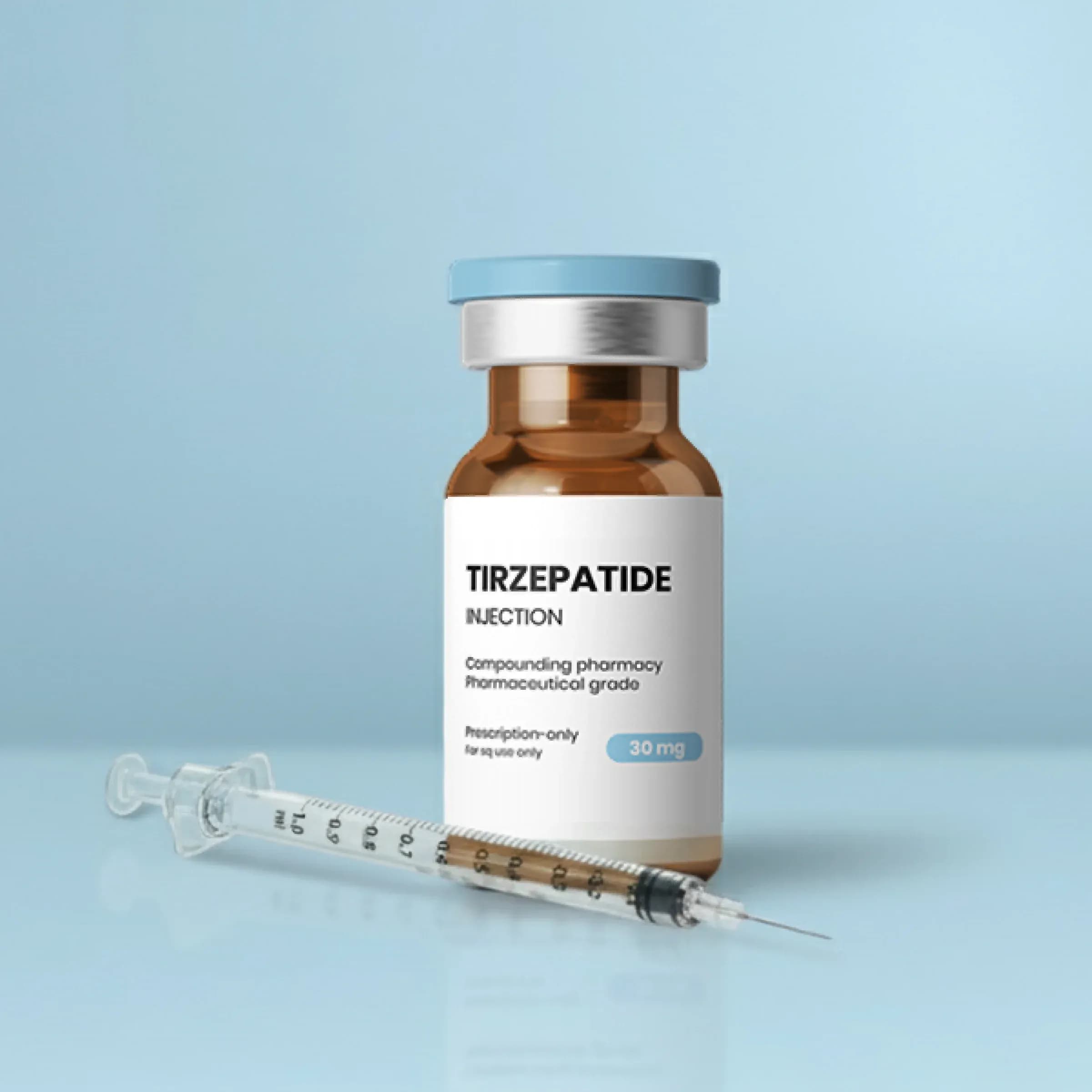
Plan as if it does, and let your provider decide. Compounded semaglutide and tirzepatide have no FDA label of their own, and no study has looked at them and thyroid cancer, so the Ozempic, Wegovy, Zepbound and Mounjaro labels are the published reference. The same health history questions apply, including MTC in your family and MEN 2. Compounded medicines are prepared by a licensed pharmacy for one patient's prescription and are not FDA-approved, which means the FDA hasn't reviewed them for safety, effectiveness or quality. Our guides to whether compounded semaglutide and compounded tirzepatide are safe explain what to check.
How MaxLife Fits
MaxLife offers compounded semaglutide at $89 a month and compounded tirzepatide at $120 a month, flat: all-inclusive, the same price at every dose, with no membership fee. You complete an online intake that takes about 2 minutes, and a licensed provider from our network reviews your health history and decides whether a prescription is right for you. Thyroid conditions are among the health questions people ask us about before they start, so list any thyroid condition, any thyroid medicine and any family history of thyroid cancer in your intake. MaxLife is a patient management platform, not a pharmacy or a drug maker. If your insurance covers Wegovy®, Zepbound® or another brand, the brand may cost you less.
How we made this page: we researched it from the sources listed below. The MaxLife operations team reviews every page before it goes live, and a licensed clinician also reviews our medical articles.
Frequently Asked Questions
Compounded Semaglutide $89/mo or Tirzepatide $120/mo
MaxLife compounded semaglutide $89 a month and tirzepatide $120 a month, flat. All-inclusive, no membership fee, the same price at every dose. A licensed provider decides.
Check Your EligibilityThis article is for informational purposes only and is not a substitute for professional medical advice, diagnosis, or treatment. Individual results vary. Pricing, insurance coverage, and compounding regulations described here are subject to change; verify current details with your insurance provider, the manufacturer, or your prescriber before making treatment decisions. Compounded medications are not FDA-approved.
Why trust our experts

April Foster, DO MPH
Reviewer
Board Certified Family Medicine Physician licensed nationwide providing collaborative oversight to NPs, PAs, and RN. Also specializing in telemedicine services nationwide.
Sources
- Ozempic (semaglutide) injection prescribing information and Medication Guide (DailyMed, version of June 10, 2026; Boxed Warning, sections 4, 5.1, 13.1)
- Wegovy (semaglutide) prescribing information and Medication Guide (DailyMed, version of June 30, 2026; Boxed Warning, sections 4, 5.1, 7.2, 13.1)
- Mounjaro (tirzepatide) prescribing information and Medication Guide (DailyMed, version of November 23, 2026)
- Zepbound (tirzepatide) prescribing information and Medication Guide (DailyMed, version of November 23, 2026; Boxed Warning, sections 4, 5.1, 13.1)
- Ozempic tablets and Rybelsus (oral semaglutide) prescribing information (DailyMed, version of August 19, 2026; section 7.2)
- Victoza (liraglutide) prescribing information (DailyMed, version of November 17, 2025; sections 5.1 and 6.1)
- Saxenda (liraglutide) prescribing information (DailyMed, version of June 15, 2026)
- Trulicity (dulaglutide) prescribing information (DailyMed, version of November 23, 2026)
- Foundayo (orforglipron) prescribing information (DailyMed, version of August 13, 2026; Boxed Warning, sections 5.1 and 13.1)
- European Medicines Agency: PRAC meeting highlights, GLP-1 receptor agonists and thyroid cancer (October 27, 2023)
- National Cancer Institute: Thyroid Cancer Treatment (PDQ), health professional and patient versions (checked November 24, 2026)
- MedlinePlus Genetics (National Library of Medicine): Multiple endocrine neoplasia (checked November 24, 2026)
- Bezin J and colleagues: GLP-1 receptor agonists and the risk of thyroid cancer (Diabetes Care, 2023)
- Pasternak B and colleagues: GLP-1 receptor agonist use and risk of thyroid cancer, Scandinavian cohort study (BMJ, 2024)
- Brito JP and colleagues: GLP-1RA use and thyroid cancer risk (JAMA Otolaryngology-Head and Neck Surgery, 2025)
- Morales DR and colleagues: Risk of thyroid tumors with GLP-1 receptor agonists, a retrospective cohort study (Diabetes Care, 2025)
- Hung CH and colleagues: Divergent risks of endocrine and nonendocrine malignancies in GLP-1 receptor agonist users (Endocrine Practice, 2026)
- Silverii GA and colleagues: GLP-1 receptor agonists and risk of thyroid cancer, a meta-analysis of randomized trials (Diabetes Obes Metab, 2024)
- Ko A and colleagues: Risk for cancer with GLP-1 receptor agonists and dual agonists, a systematic review and meta-analysis (Annals of Internal Medicine, 2026)
- Eisa N and colleagues: Incretin-based therapy and thyroid cancer risk, a meta-analysis of randomized trials (AACE Endocrinology and Diabetes, 2026)
- Kamrul-Hasan ABM and colleagues: Tirzepatide and cancer risk in individuals with and without diabetes, a meta-analysis (Endocrinol Metab, 2025)
- D'Arcy SJ and colleagues: GLP-1 receptor agonist-associated medullary thyroid cancer risk, SEER and FDA adverse event reports (Head & Neck, 2026)
- Braunstein EW, Braunstein GD: GLP-1 receptor agonists and thyroid cancer, review of preclinical and human data (Endocrine Reviews, November 2026)
- Kelly CA, Sipos JA: Approach to the patient with thyroid nodules, considering GLP-1 receptor agonists (J Clin Endocrinol Metab, 2025)
- Patrizio A and colleagues: Exposure to GLP-1RA and risk of structural progression in differentiated thyroid cancer (J Clin Endocrinol Metab, 2026)
Tirzepatide Side Effects: What's Common, What's Serious, What Helps
November 12, 202613 min
Can GLP-1 Drugs Cause Vision Loss? The FDA's NAION Warning Explained
November 15, 202611 min
GLP-1 Medications: The Full List and How They Work
November 24, 20269 min
Semaglutide vs Tirzepatide: Weight Loss, Side Effects and Cost
November 13, 202611 min