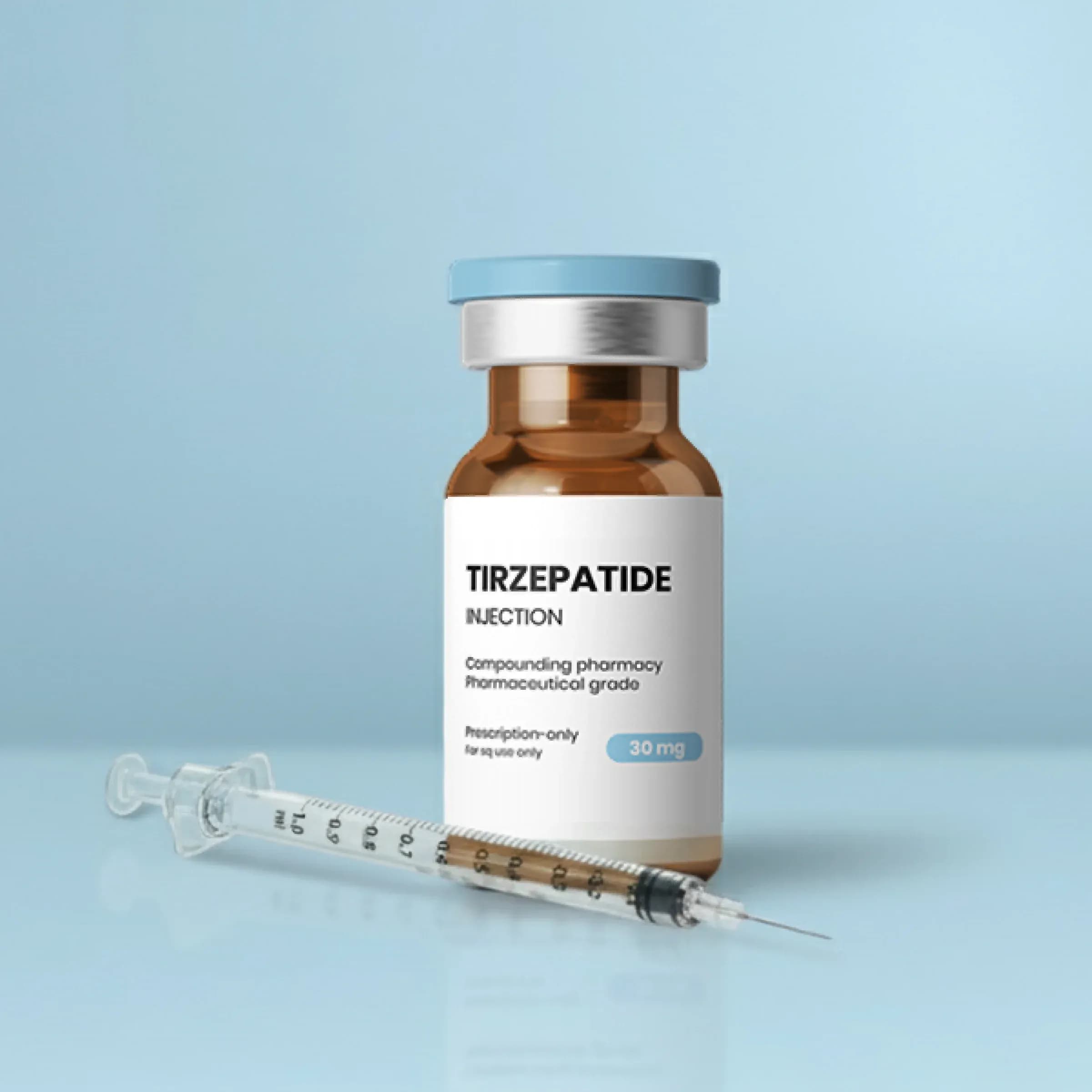
Took Too Much Tirzepatide? What to Do, and What the Label Says
Pricing is accurate as of November 2026 and subject to change.
Key Takeaways
- Of 1,782 tirzepatide cases reported to US poison centers from 2022 to 2024, about 4 in 5 were handled without a trip to a health care facility, but about 8% had a moderate or major effect, so call even if you feel fine.
- Tirzepatide peaks in the blood about 24 hours after a shot and has a half-life of about 5 days, so an extra dose can take a day or more to be felt and its effects can last for days.
- The Zepbound and Mounjaro labels say not to take 2 doses within 3 days (72 hours) of each other; your prescriber decides when and at what dose you take the next one.
If someone collapses, has a seizure, has trouble breathing or can't be woken up, call 911 now. If you took more tirzepatide than you were prescribed, call Poison Control at 1-800-222-1222 or use the free online tool at poison.org, even if you feel fine, and tell your prescriber before your next dose. Poison Control help is free, confidential and available 24 hours a day.
That is what the Zepbound® and Mounjaro® labels tell patients, too: "If you take too much ZEPBOUND, call your healthcare provider or Poison Help line at 1-800-222-1222 or go to the nearest hospital emergency room right away" (Medication Guides revised and checked November 2026). The label names no antidote. Care is aimed at the symptoms, and because tirzepatide stays in the body for days, you may need to be watched for a while.
Took too much tirzepatide?
What to do now, step by step
The same steps apply to Zepbound®, Mounjaro® and compounded tirzepatide.
Now
Call 911
Someone collapses, has a seizure, has trouble breathing or can't be woken up.
Also for swelling of the face, lips, tongue or throat, or trouble swallowing: signs of a serious allergic reaction.
Any extra dose
Call Poison Control: 1-800-222-1222
You took more than your prescribed dose, two doses less than 3 days apart, or you're not sure how much you drew.
Even if you feel fine. Free, confidential and open 24 hours a day, by phone or with the online tool at poison.org.
Before your next dose
Tell your prescriber
The labels have rules for a missed dose, but none for what comes after an extra dose.
Your prescriber decides when you take the next one and at what dose. Don't take it early or skip ahead on your own.
Have this ready when you call
- The pen, vial or box, with the strength printed on its label
- The dose you were prescribed and what you actually injected, in mg, units or mL
- When you injected, and when you took the dose before that
- Your other medicines, especially insulin or a sulfonylurea
- Any symptoms so far, plus your age and weight
Sources: Poison Control at poison.org and America’s Poison Centers, checked November 2026; Zepbound and Mounjaro Medication Guides, revised November 2026.
What Does the Tirzepatide Label Say About an Overdose?
The prescribing information for doctors has a short overdose section. In the Zepbound label it reads: "In the event of an overdosage, contact the Poison Help Line (1-800-222-1222) or a medical toxicologist for additional overdosage management recommendations. Appropriate supportive treatment should be initiated according to the patient's clinical signs and symptoms. A period of observation and treatment for these symptoms may be necessary, taking into account the half-life of tirzepatide of approximately 5 days."
The Mounjaro label says the same thing, except that it tells clinicians to "consider contacting" Poison Help. Both medicines contain tirzepatide, so the timing facts match:
| Label fact | Zepbound | Mounjaro |
|---|---|---|
| If you take too much | Call your provider or 1-800-222-1222, or go to an ER | Same wording |
| Time between doses | At least 3 days (72 hours) | At least 3 days |
| Peak level after a shot | About 24 hours (8 to 72) | 8 to 72 hours |
| Half-life | About 5 to 6 days | About 5 days |
The labels don't list overdose symptoms for tirzepatide itself. For semaglutide, a related medicine, the FDA notes that overdoses reported with this class of medicines caused severe nausea, severe vomiting and severe low blood sugar. America's Poison Centers says GLP-1 overdose signs "are similar to side effects, however, the duration of symptoms may last longer."
What Symptoms Should You Watch For?
Most people who take too much get stronger versions of the usual side effects: nausea, vomiting, diarrhea and stomach pain. These are the signs the Medication Guide says need a call or care right away:
- Nausea, vomiting or diarrhea that won't stop. You may be losing fluids, which can lead to kidney problems. Tell your provider right away, and drink fluids.
- Severe stomach pain that won't go away, sometimes reaching your back. It can be a sign of pancreatitis. Stop tirzepatide and call your provider right away.
- Shakiness, sweating, confusion, a fast heartbeat or hunger. These are signs of low blood sugar. Follow the low blood sugar plan your provider gave you, and get help right away if it is severe.
- Swelling of the face, lips, tongue or throat, or trouble breathing or swallowing. These are signs of a serious allergic reaction. Get medical help right away.
- Upper stomach pain with fever, yellow skin or eyes, or clay-colored stools. These can be gallbladder problems. Tell your provider right away.
Low blood sugar is the biggest worry if you also take insulin or a sulfonylurea. In the Zepbound trial of adults with type 2 diabetes, readings below 54 mg/dL happened in 10.3% of people who also took a sulfonylurea, compared with 2.1% of those who didn't. Tell Poison Control about every medicine you take. Our tirzepatide side effects guide covers the rest of the list.
How Long Do the Effects of Too Much Tirzepatide Last?
Expect the effects to build and fade over days, not hours. Tirzepatide reaches its highest level in the blood about 24 hours after a shot, and anywhere from 8 to 72 hours in the label's data. Its half-life is about 5 days, so it takes about that long for half of a dose to leave your body.
So feeling fine an hour after an extra dose doesn't mean it has passed, and stomach symptoms can last for several days while your body clears the extra medicine. That's why the label's overdose section calls for observation "taking into account the half-life." Our guide on how long tirzepatide stays in your system shows the full timeline. For milder nausea once you have the all-clear, see our tips for nausea and constipation.
Is Taking Too Much Tirzepatide Dangerous?
Usually it means a rough few days, but it can turn serious, and a poison specialist can help you tell the difference. A 2026 study in the Journal of Medical Toxicology counted 1,782 tirzepatide cases reported to US poison centers from 2022, when the centers started coding tirzepatide, through 2024:
- 85% were mistakes in how the medicine was taken, which poison centers call therapeutic errors.
- About 4 in 5 cases with a known level of care were handled without treatment at a health care facility.
- About 8% had a moderate or major effect, and 3% were admitted to a hospital.
Serious cases do happen. A 2025 case report from a UK hospital describes a 39-year-old man who needed intensive care for life-threatening low blood sugar, severe imbalances in blood salts and pneumonia after he raised his tirzepatide dose quickly without supervision. The FDA has also received reports of side effects in people prescribed compounded semaglutide or tirzepatide "in doses beyond what is in the FDA-approved drug label," meaning more per dose, doses more often or faster increases. Some sought medical care.
What Should You Do About Your Next Dose?
Wait until your prescriber tells you when to take it, and at what dose. The labels have rules for a missed dose and for changing your injection day, but none for what comes after an extra dose, so that decision belongs to your prescriber. Until you hear back:
- Keep doses at least 3 days apart. The Medication Guide says: "Do not take 2 doses of ZEPBOUND within 3 days (72 hours) of each other."
- Don't take your next dose early, and don't make up doses. If you miss a dose, the label lets you take it within 4 days; after that you skip it. You never take two doses to catch up. Our tirzepatide dosage chart explains the missed-dose rule and the step-up schedule.
- Don't count an extra dose as a step up. Dose increases are your provider's call and, on the label's schedule, come no sooner than every 4 weeks.
- If you aren't sure a shot went in, don't repeat it. The KwikPen instructions say: "If you still do not think you received the full dose, do not start over or repeat the injection." For a single-dose Zepbound pen, the dose went in if you can see the gray plunger; if you can't, the label says to call Lilly at 1-800-545-5979. With a vial, call your prescriber or pharmacy before you draw another dose.
When you talk to your prescriber, say what you took and when, any symptoms, and what Poison Control told you. If you use birth control pills, ask whether you need a backup method for a while: the labels advise one for 4 weeks after each dose increase, because tirzepatide can make pills work less well. Our guide to tirzepatide and birth control explains what the labels say.
How Do People End Up Taking Too Much?
America's Poison Centers says the most common mistakes with GLP-1 medicines are "taking doses too closely together or taking a higher than recommended dose at once." Some patterns and the habits that prevent them:
- Injecting twice in one week. Write down the date of every shot (the Zepbound instructions include a log for this) and set a reminder, so you never inject until the reminder goes off.
- Changing your shot day too soon. You can move your day if the two doses are at least 3 days apart. Our guide to the best time to take tirzepatide walks through it.
- Mixing up milligrams and units with a vial. Your prescription is in milligrams (mg), but an insulin syringe is marked in units, which measure volume. The number of units for your dose depends on the strength printed on your vial, so it can change when the strength does. Follow the label on the vial you have and your prescriber's instructions. Our dosage calculator checks the math for the strength on your label, and how to inject tirzepatide shows how to read the syringe.
- Using two tirzepatide or GLP-1 products at once. The Zepbound Medication Guide says it "should not be used with other tirzepatide-containing products or any GLP-1 receptor agonist medicines." If you are changing medicines or programs, see switching to tirzepatide and ask when to stop the old one.
- Not checking a new box. Before your first dose from a new pen or vial, compare the strength on its label with your prescription.
What If a Child or Someone Else Got a Dose?
Call Poison Control at 1-800-222-1222 right away, even if there are no symptoms yet, and call 911 for the emergency signs above. In the poison center study, children ages 6 to 17 were 2.66 times as likely to be admitted to a hospital as adults. Zepbound hasn't been shown to be safe in children (Mounjaro is approved only for children 10 and older with type 2 diabetes). The labels say to keep pens, vials, syringes and needles out of the reach of children and never to share a pen, even with a new needle. To save the Poison Control number in your phone, America's Poison Centers says to text POISON to 301-597-7137.
Does This Apply to Compounded Tirzepatide?
Yes. If you take too much compounded tirzepatide, the steps are the same: Poison Control, your prescriber, and 911 for emergencies. Compounded tirzepatide is not FDA-approved and has no FDA label of its own, so the label facts on this page come from Zepbound and Mounjaro and haven't been shown for compounded products. Your pharmacy's label gives the strength of your vial, so keep it in front of you when you call. America's Poison Centers also advises getting GLP-1 medicines only from state-licensed pharmacies or FDA-registered outsourcing facilities, never from unregulated online sellers. Our page on whether compounded tirzepatide is safe covers what you can check yourself and the red flags of an unsafe seller.
How Dosing Works With MaxLife
With MaxLife, an independent licensed provider decides whether compounded tirzepatide is right for you, sets your dose in milligrams and approves every refill and dose change. A licensed partner pharmacy prepares your medicine and prints its strength on the vial label, and your box includes syringes, alcohol swabs and printed instructions. Before each refill, a short check-in asks about your current dose, side effects and the date of your last injection. If you ever take more than prescribed, call Poison Control first at 1-800-222-1222 (or 911 for severe symptoms), then contact your MaxLife care team by phone at (949) 704-1000 or by email at hi@maxlife.com so your provider can decide on your next dose.
MaxLife is a patient management platform, not a pharmacy or drug maker. Compounded tirzepatide is $120 a month, flat, the same price at every dose, with no membership fee.
How we made this page: we researched it from the sources listed below. The MaxLife operations team reviews every page before it goes live, and a licensed clinician also reviews our medical articles.
Frequently Asked Questions
Compounded Tirzepatide: $120/mo Flat, All-Inclusive
MaxLife compounded tirzepatide: $120 a month, flat. All-inclusive, no membership fee, the same price at every dose. A licensed provider decides.
Check Your EligibilityThis article is for informational purposes only and is not a substitute for professional medical advice, diagnosis, or treatment. Individual results vary. Pricing, insurance coverage, and compounding regulations described here are subject to change; verify current details with your insurance provider, the manufacturer, or your prescriber before making treatment decisions. Compounded medications are not FDA-approved.
Why trust our experts

April Foster, DO MPH
Reviewer
Board Certified Family Medicine Physician licensed nationwide providing collaborative oversight to NPs, PAs, and RN. Also specializing in telemedicine services nationwide.
Sources
- Zepbound (tirzepatide) prescribing information and Medication Guide, DailyMed (revised November 2026)
- Mounjaro (tirzepatide) prescribing information and Medication Guide, DailyMed (revised November 2026)
- Poison Control (National Capital Poison Center): webPOISONCONTROL and 1-800-222-1222
- Poison Control: Tirzepatide (Zepbound) for weight loss
- America's Poison Centers: Glucagon-like Peptide-1 (GLP-1) Agonists
- America's Poison Centers
- Senthilkumar A et al. Comparison of Pediatric and Adult Glucagon-Like Peptide-1 Receptor Agonist Exposures Reported To United States Poison Centers, 2017-2024. J Med Toxicol. 2026
- Miller J et al. National Poison Center Trends in GLP-1 Receptor Agonist Exposures Following FDA Approval for Weight Loss. J Med Toxicol. 2026
- Sharafeldin M et al. Severe Adverse Effects of Tirzepatide Overdose Requiring Intensive Care Unit Admission and Complex Rehabilitation. Cureus. 2025
- FDA: FDA alerts health care providers, compounders and patients of dosing errors associated with compounded injectable semaglutide products
- FDA: FDA's concerns with unapproved GLP-1 drugs used for weight loss
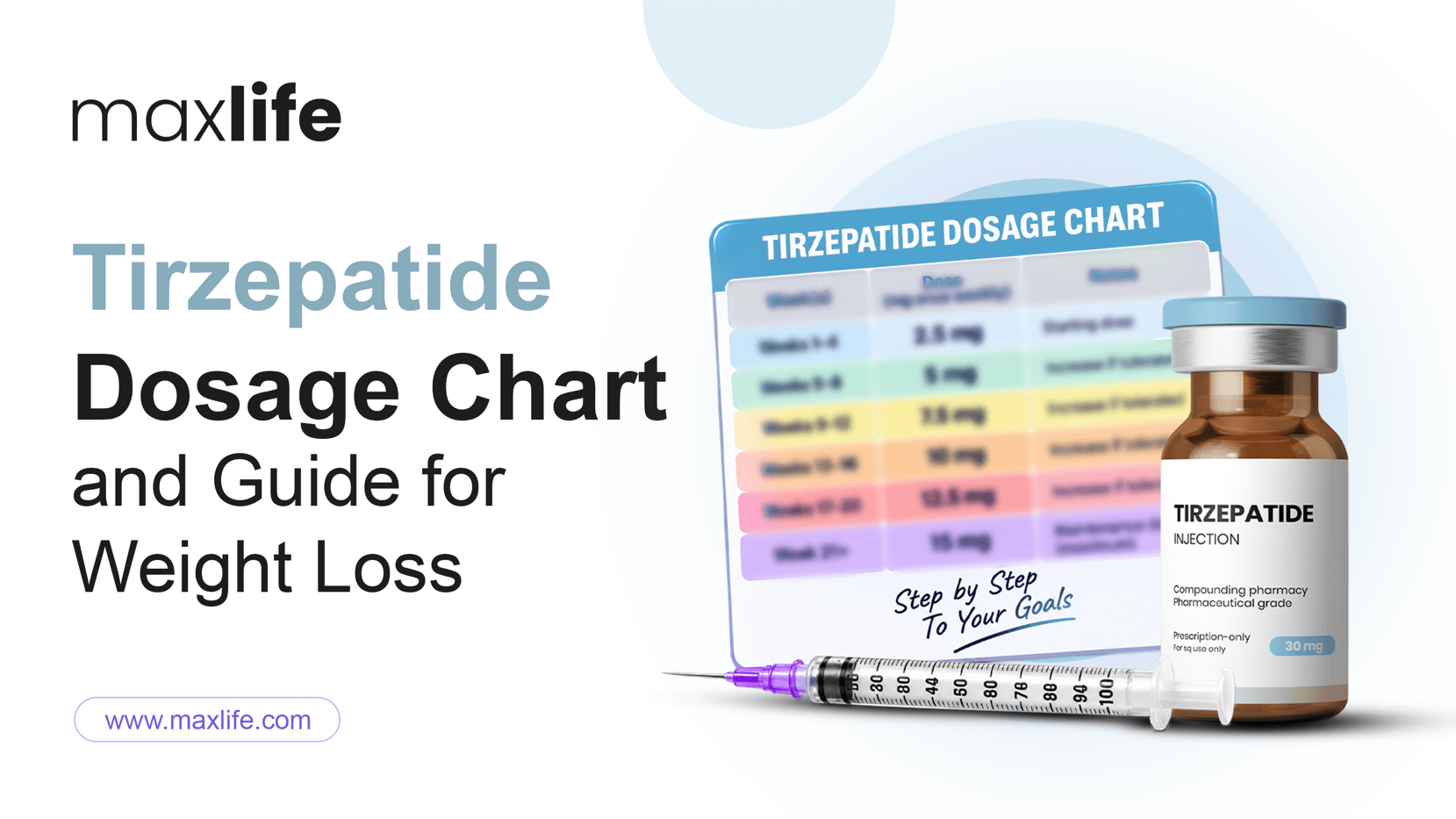
Tirzepatide Dosage Chart for Weight Loss: Doses, Schedule and Units
October 21, 20268 min
Tirzepatide Side Effects: What's Common, What's Serious, What Helps
November 12, 202613 min
How Long Does Tirzepatide Stay in Your System? Zepbound and Mounjaro
November 15, 20268 min
How to Inject Tirzepatide: Step by Step, With a Vial or a Pen
November 20, 20268 min