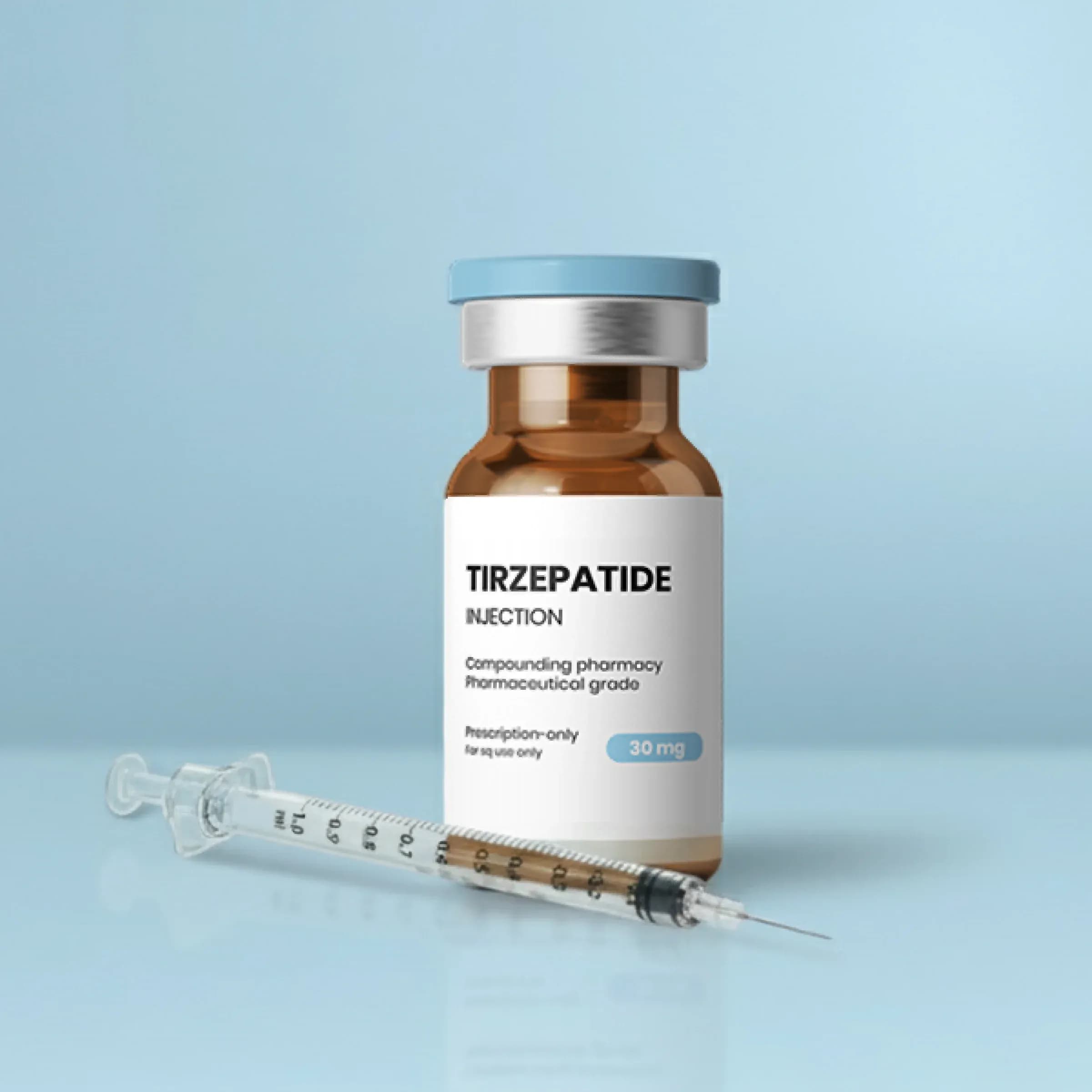
Is Phentermine a GLP-1? Phentermine vs Semaglutide and Tirzepatide
Reviewed by the MaxLife operations team. Labels, trials, prices and federal rules checked November 2026.
Key Takeaways
- Phentermine's label says tolerance to its appetite effect usually develops within a few weeks, and to stop the drug then rather than raise the dose.
- In an 8-week study in the Qsymia label, phentermine 30 mg a day raised average heart rate by about 7 beats a minute more than placebo.
- As of November 2026, no randomized trial has tested phentermine together with semaglutide or tirzepatide.
No, phentermine is not a GLP-1. Phentermine is a sympathomimetic amine, a stimulant related to amphetamine, and its FDA label approves it only for short-term use, "a few weeks," alongside diet, exercise and behavior change. Federal law lists it as a Schedule IV controlled substance. GLP-1 medicines such as semaglutide (Wegovy®, Ozempic®) and tirzepatide (Zepbound®, Mounjaro®) work like gut hormones instead, are not controlled substances, and Wegovy and Zepbound are approved for long-term weight management. In their main trials, adults lost 14.9% of their weight on Wegovy and up to 20.9% on Zepbound over 68 to 72 weeks. Phentermine costs far less. We checked every label, trial and price below in November 2026.
Phentermine vs GLP-1 at a Glance
| Phentermine | Semaglutide and tirzepatide | |
|---|---|---|
| What it is | A stimulant (sympathomimetic amine) | Medicines that act like the gut hormone GLP-1; tirzepatide also acts like GIP |
| How you take it | A pill once a day (Lomaira™: a small tablet up to 3 times a day) | A shot once a week (Wegovy also comes as a daily pill) |
| How long, per the label | A few weeks | Long term |
| Controlled substance | Yes, Schedule IV | No |
| Approved for | Short-term weight loss, with diet and exercise | Wegovy and Zepbound: long-term weight management; Ozempic and Mounjaro: type 2 diabetes |
| Extra weight lost vs placebo | 3.8 points in an 8-week study | 12.4 points (Wegovy, 68 weeks); 17.8 points (Zepbound, 72 weeks) |
| Most common side effects | Fast heartbeat, higher blood pressure, trouble sleeping, dry mouth, restlessness | Nausea, diarrhea, vomiting, constipation |
| Cost, November 2026 | Low: an old generic | Brand self-pay: $349 a month (Wegovy shots), $299 to $449 (Zepbound) |
Phentermine is sold as a generic and under the brand names Adipex-P® and Lomaira. Facts come from the FDA labels for phentermine, Lomaira, Qsymia, Wegovy and Zepbound.
Why Isn't Phentermine a GLP-1?
Because it works on a different system. GLP-1 is a hormone your gut releases after you eat. It helps regulate appetite and how much you eat, and its receptors sit in the parts of the brain that control appetite. Semaglutide is built to act like GLP-1: the Wegovy label says it shares 94% of its sequence with human GLP-1. Tirzepatide acts on the receptors for two gut hormones, GLP-1 and GIP; our GIP vs GLP-1 guide explains the difference.
Phentermine copies no hormone. Its label describes it as a sympathomimetic amine with "pharmacologic activity similar to" amphetamine. Drugs in this class stimulate the nervous system and can raise blood pressure. The label also notes that appetite suppression has not been proven to be the main way they work.
The other older weight-loss pills aren't GLP-1s either. Qsymia® is phentermine combined with topiramate, a seizure medicine. Contrave® isn't a GLP-1 (see Contrave vs semaglutide), and neither is metformin, a diabetes pill covered in metformin vs semaglutide. For the medicines that are GLP-1s, see our list of GLP-1 medications.
Phentermine vs Semaglutide and Tirzepatide: Which Works Better?
For weight loss over months, the GLP-1 medicines produced far larger results in their trials. No trial has compared phentermine with semaglutide or tirzepatide head to head, so the numbers below come from each medicine's own placebo-controlled trials, which had different lengths and different people.
From the trials
Phentermine vs GLP-1: weight loss in each medicine's own trials
No trial has compared phentermine with semaglutide or tirzepatide directly. Each result below comes from that medicine's own placebo-controlled trial.
- GLP-1 medicines
- Phentermine, alone or in Qsymia
Extra weight lost compared with placebo
Zepbound®, tirzepatide 15 mg once a week72 weeks17.8 points
Wegovy®, semaglutide 2.4 mg once a week68 weeks12.4 points
Qsymia®, phentermine plus topiramate, top dose daily56 weeks9.4 points
Phentermine alone, 30 mg a day8 weeks3.8 points
People who lost at least 5% of their weight
Zepbound 15 mg72 weeks; placebo 34.5%90.9%
Wegovy 2.4 mg68 weeks; placebo 31.1%83.5%
Qsymia top dose56 weeks; placebo 17%67%
Phentermine alone, 15 mg a day28 weeks; placebo 15.5%46.2%
Why the phentermine trials are short: phentermine alone is approved for a few weeks of use, so it has no long-term result of its own. Qsymia, Wegovy and Zepbound are approved for long-term use.
Sources: FDA labels for Zepbound (SURMOUNT-1), Wegovy (STEP 1) and Qsymia (its main 1-year study and an 8-week study with a phentermine-only group), and the EQUATE trial (Aronne and colleagues, Obesity, 2013). Separate trials with different people and lengths, so compare them only roughly. Results are for the brand-name medicines and doses studied and have not been shown for compounded semaglutide or tirzepatide.
- Phentermine alone. Its label says that in short trials, people taking appetite suppressants of this type lost "only a fraction of a pound a week" more than people on placebo, and that weight loss was fastest in the first weeks. In an 8-week study described in the Qsymia label, phentermine 30 mg a day led to 3.8 percentage points more weight loss than placebo. In the 28-week EQUATE trial, 46% of people taking phentermine 15 mg alone lost at least 5% of their weight, compared with 16% on placebo.
- Qsymia (phentermine plus topiramate). Approved for long-term use. In its main trial, adults on the top dose lost 10.9% of their weight over 56 weeks, compared with 1.6% on placebo.
- Wegovy (semaglutide). In STEP 1, adults lost 14.9% over 68 weeks, compared with 2.4% on placebo.
- Zepbound (tirzepatide). In SURMOUNT-1, adults on the 15 mg dose lost 20.9% over 72 weeks, compared with 3.1% on placebo. Tirzepatide has also beaten semaglutide in a head-to-head trial; see semaglutide vs tirzepatide.
One reason phentermine's results stay small is in its label: tolerance to its appetite effect usually develops within a few weeks. When that happens, the label says to stop the drug, not to take more. All of these results belong to the brand-name medicines and doses studied.
Can You Take Phentermine and a GLP-1 Together?
Not on your own. The phentermine label says the safety and effectiveness of combining it with any other weight-loss medicine have not been established, so it does not recommend combining them. The Wegovy and Zepbound labels say not to use them with another GLP-1 medicine and don't mention phentermine.
The research is thin. As of November 2026, PubMed lists no randomized trial of phentermine together with semaglutide or tirzepatide. A small pilot trial added phentermine to liraglutide, an older daily GLP-1, in 45 adults who had already lost weight on liraglutide. Over 12 more weeks, those who added phentermine lost another 1.6%, compared with 0.1% for those who added a placebo, a difference that was not statistically significant.
If you take phentermine now and are thinking about a GLP-1, or the other way around, the decision belongs to your prescriber, who knows your heart health, blood pressure and other medicines. Don't add one to the other, and don't switch, without them.
Phentermine vs GLP-1 Side Effects
They cause different kinds of side effects. Phentermine's are mostly stimulant effects, while the GLP-1 medicines mostly affect the stomach.
Phentermine. Its label lists a fast or pounding heartbeat, higher blood pressure, trouble sleeping, restlessness, dizziness, dry mouth, an unpleasant taste, headache, diarrhea or constipation, and changes in sex drive. In the 8-week study in the Qsymia label, phentermine 30 mg raised average heart rate by about 7 beats a minute more than placebo. Rare but serious problems include primary pulmonary hypertension and heart valve disease. Phentermine can affect your ability to drive, and the label warns that taking it with alcohol may cause a bad reaction. Its label says to avoid a late-evening dose, because it can keep you awake.
Semaglutide and tirzepatide. Nausea, diarrhea, vomiting and constipation are the most common side effects on the Wegovy and Zepbound labels. Nausea affected 44% of adults on Wegovy (16% on placebo) and 25% to 29% on Zepbound (8% on placebo). Most stomach side effects happen while the dose is being raised, which is why both labels start low and step up. Both raise resting heart rate a little, by about 1 to 4 beats a minute. Both carry a boxed warning about thyroid C-cell tumors and are not for anyone with a personal or family history of medullary thyroid carcinoma or MEN 2. Our guide to GLP-1 nausea and constipation covers what helps.
Who Shouldn't Take Phentermine?
The phentermine label rules it out for people with:
- A history of heart disease: coronary artery disease, stroke, an irregular heart rhythm, heart failure or uncontrolled high blood pressure
- An MAO inhibitor taken now or in the last 14 days
- An overactive thyroid or glaucoma
- Agitation or a history of drug abuse
- Pregnancy or breastfeeding
It also asks for caution with even mild high blood pressure, says people with diabetes may need less insulin or diabetes medicine while taking it, and is not recommended for anyone 16 or younger. Qsymia adds limits of its own because topiramate can cause birth defects: it is sold only through certified pharmacies under an FDA safety program, and its label recommends a pregnancy test before you start and every month after that.
For comparison, the Wegovy label says to stop at least 2 months before a planned pregnancy, because semaglutide stays in the body for weeks.
Is Phentermine a Controlled Substance?
Yes. Phentermine is on the federal Schedule IV list. Its label warns that it is related to amphetamines, which have been widely misused, and tells prescribers to dispense the smallest practical amount at a time. In practice:
- Refills are limited. Under federal rules, a Schedule IV prescription can be refilled at most 5 times and not more than 6 months after it was written.
- Your state's rules apply too. Controlled-substance prescriptions also follow state law, which your prescriber has to meet.
- The effect fades. Tolerance usually develops within a few weeks, and the label says to stop rather than raise the dose.
Semaglutide and tirzepatide are not controlled substances, so their prescriptions follow ordinary prescription rules.
How Long Can You Take Phentermine?
The label says a few weeks. It points out that obesity is a long-term condition while the studies behind phentermine lasted only weeks. Some doctors prescribe it for longer, which is off-label. A large observational study of 13,972 adults, published in Obesity in 2019, found that people who stayed on phentermine for more than 12 months had lost 7.4% more weight at 2 years than people who took it for 3 months or less. Heart events and deaths were rare and not significantly more common in the longer users. Observational studies can't prove safety the way a randomized trial can, and the label still says a few weeks.
Qsymia, Wegovy and Zepbound are labeled for long-term use, with one checkpoint for Qsymia: its label says to stop if you haven't lost at least 5% of your weight after 12 weeks on the top dose, and to taper that dose rather than stop it suddenly.
Phentermine vs GLP-1 Cost
Phentermine is far cheaper. It is an old generic: pharmacies pay about 7 cents for a 37.5 mg tablet, according to Medicaid's National Average Drug Acquisition Cost survey (prices effective November 18, 2026). What you pay at the counter is higher and differs from one pharmacy to the next, so ask for the cash price; visit fees are extra.
Self-pay prices for the other options, as of November 2026:
- Qsymia: $74.99 for a 30-day prescription through the maker's home delivery pharmacy, plus shipping.
- Wegovy: $349 a month for the shots at any dose up to 2.4 mg, or $149 to $299 a month for the pill, from Novo Nordisk's NovoCare Pharmacy.
- Zepbound: $299 to $449 a month for vials or the KwikPen from LillyDirect, depending on the dose, when you refill within 45 days.
- Compounded semaglutide or tirzepatide: $89 or $120 a month through MaxLife (below).
Prices change; confirm before you buy. For every GLP-1 price route, see our GLP-1 cost guide, and for insurance, weight loss drugs covered by insurance.
Where Compounded Semaglutide and Tirzepatide Fit
If you and your provider prefer a weekly GLP-1 and the brand price is the problem, compounded semaglutide or tirzepatide is a lower-cost cash route to discuss. A compounded medicine is prepared by a licensed pharmacy for one patient's prescription and is not FDA-approved, which means the FDA hasn't reviewed it for safety, effectiveness or quality. It is not a generic, and the trial results on this page have not been shown for compounded semaglutide or tirzepatide.
MaxLife is a telehealth patient management platform, not a pharmacy or drug maker. Through MaxLife, compounded semaglutide is $89 a month and compounded tirzepatide is $120 a month, flat and all-inclusive, the same price at every dose, with no membership fee. The online intake takes about 2 minutes, and an independent licensed provider decides whether a prescription is right for you. MaxLife offers these weekly injections only, not phentermine, Qsymia or any pill. If your insurance covers a brand-name GLP-1, that may cost you less.
If you take phentermine or any other weight-loss medicine, list it in your intake. The provider considers everything in your health record and decides case by case.
Phentermine or a GLP-1: Which Fits You?
Before they start, people often ask us which medicine is the better one for them. The labels and trials point to some patterns, but the choice belongs with a licensed provider who knows your health history:
- You want a short, low-cost start and have no heart disease or high blood pressure: phentermine is made for a few weeks of use.
- You want a treatment you can stay on for months or years: Qsymia, Wegovy and Zepbound have long-term approvals, and phentermine alone does not.
- You want the most weight loss: in their own trials, Zepbound and Wegovy led to the largest losses.
- You have heart disease along with excess weight: the phentermine label rules it out, while Wegovy is approved to lower the risk of heart attack and stroke in adults with heart disease and obesity or overweight.
- You or a close relative has had medullary thyroid cancer, or you have MEN 2: GLP-1 medicines are not for you.
- You worry more about a racing heart and poor sleep than an upset stomach, or the reverse: that difference is worth talking through with your provider.
How we made this page: we researched it from the sources listed below. The MaxLife operations team reviews every page before it goes live, and a licensed clinician also reviews our medical articles.
Frequently Asked Questions
Compounded Semaglutide $89/mo, Tirzepatide $120/mo, Flat
MaxLife compounded semaglutide $89 a month and tirzepatide $120 a month, flat. All-inclusive, no membership fee, the same price at every dose. A licensed provider decides.
Check Your EligibilityThis article is for informational purposes only and is not a substitute for professional medical advice, diagnosis, or treatment. Individual results vary. Pricing, insurance coverage, and compounding regulations described here are subject to change; verify current details with your insurance provider, the manufacturer, or your prescriber before making treatment decisions. Compounded medications are not FDA-approved.
Sources
- Phentermine hydrochloride tablets and capsules 37.5 mg: FDA prescribing information, KVK-Tech (DailyMed, version of February 2024)
- Lomaira (phentermine hydrochloride) 8 mg tablets: FDA prescribing information, KVK-Tech (DailyMed, version of December 2023)
- Qsymia (phentermine and topiramate extended-release): FDA prescribing information, Vivus (DailyMed, version of April 2026)
- Wegovy (semaglutide) injection and tablets: FDA prescribing information, Novo Nordisk (DailyMed, version of June 2026)
- Zepbound (tirzepatide): FDA prescribing information, Eli Lilly (DailyMed, version of September 2026)
- Aronne LJ et al. Evaluation of phentermine and topiramate versus phentermine/topiramate extended-release in obese adults (EQUATE). Obesity, 2013
- Wilding JPH et al. Once-weekly semaglutide in adults with overweight or obesity (STEP 1). New England Journal of Medicine, 2021
- Jastreboff AM et al. Tirzepatide once weekly for the treatment of obesity (SURMOUNT-1). New England Journal of Medicine, 2022
- Tronieri JS et al. Effects of liraglutide plus phentermine in adults with obesity following 1 year of treatment by liraglutide alone: a randomized placebo-controlled pilot trial. Metabolism, 2019
- Lewis KH et al. Safety and effectiveness of longer-term phentermine use: clinical outcomes from an electronic health record cohort. Obesity, 2019
- Code of Federal Regulations, 21 CFR 1308.14: Schedule IV (phentermine), eCFR (checked November 2026)
- Code of Federal Regulations, 21 CFR 1306.22: refilling of Schedule III and IV prescriptions, eCFR (checked November 2026)
- Medicaid: National Average Drug Acquisition Cost (NADAC) 2026, phentermine 37.5 mg tablet, effective November 18, 2026
- Qsymia: cost and savings, home delivery pharmacy price (checked November 2026)
- NovoCare Pharmacy: Wegovy self-pay prices (checked November 2026)
- LillyDirect: Zepbound self-pay prices (checked November 2026)
Contrave vs Semaglutide (Wegovy, Ozempic): 7 Differences
September 11, 20268 min
Metformin vs Semaglutide (Ozempic, Wegovy): 7 Differences
September 15, 20266 min
Semaglutide Alternatives: What Works and What Doesn't
September 18, 20269 min
Semaglutide vs Tirzepatide: Weight Loss, Side Effects and Cost
November 13, 202611 min