Zepbound Alternatives: 8 Options Compared by Price and Coverage
Pricing is accurate as of November 2026 and subject to change.
Key Takeaways
- No FDA-approved drug has beaten Zepbound in a head-to-head trial. In SURMOUNT-5, people taking Zepbound lost 20.2% of body weight over 72 weeks, compared with 13.7% on Wegovy.
- If cost is the problem, the cheapest FDA-approved tirzepatide is Zepbound itself: as of November 2026, LillyDirect sells vials and KwikPens for $299 to $449 per 28 days.
- Mounjaro is Lilly's tirzepatide for type 2 diabetes, not weight loss, and costs more self-pay ($499 a month).
- Compounded tirzepatide is a lower-cost cash route ($120 a month, flat, at MaxLife), but it is prepared by a licensed pharmacy for one patient's prescription and is not FDA-approved or equivalent to Zepbound.
- Wegovy is usually cheaper than Zepbound self-pay ($199 for 2 fills, then $349), and Foundayo and the Wegovy pill are needle-free options from $149 a month. There is no tirzepatide pill.
- Since July 1, 2026, eligible Medicare Part D members can get the Zepbound KwikPen, Wegovy or Foundayo for a $50 copay through the Medicare GLP-1 Bridge.
The best Zepbound alternative depends on why you're leaving Zepbound. If cost is the problem, the cheapest FDA-approved tirzepatide is still Zepbound itself: as of November 2026, LillyDirect sells Zepbound vials and KwikPens for $299 to $449 per 28 days without insurance. Compounded tirzepatide is a lower-cost cash route, $120 a month, flat, at MaxLife, but it is not FDA-approved and is not equivalent to Zepbound. If you need a different drug, Wegovy (semaglutide) is the closest FDA-approved option, though it produced less weight loss than Zepbound head to head (13.7% vs 20.2%). Foundayo, liraglutide, Qsymia and Contrave cost less or come as pills, with smaller average results.
What Is the Best Alternative to Zepbound?
No FDA-approved weight-loss drug has beaten Zepbound in a head-to-head trial, so the best alternative is the one that fixes your specific problem with it.
- It costs too much: buy Zepbound itself through LillyDirect, or ask about compounded tirzepatide ($120 a month, flat, at MaxLife). Among other FDA-approved drugs, the Wegovy pill and Foundayo start at $149 a month.
- Insurance won't cover it: ask whether your plan covers Wegovy, Foundayo or, if you have type 2 diabetes, Mounjaro. On Medicare, check the $50 Medicare GLP-1 Bridge.
- You want the most weight loss from a different drug: Wegovy, or Wegovy HD at 7.2 mg.
- You don't want injections: Foundayo or the Wegovy pill. There is no FDA-approved tirzepatide pill.
- Side effects: ask about a lower maintenance dose of Zepbound before you switch drugs.
- You can't take a GLP-1 medicine: Qsymia, Contrave, phentermine or orlistat, depending on your health history.
Compounded tirzepatide is prepared by a licensed pharmacy for one patient's prescription and is not FDA-approved, which means the FDA hasn't reviewed it for safety, effectiveness or quality.
Why Do People Look for a Zepbound Alternative?
Most people look for a Zepbound alternative because of the price, an insurance denial or side effects.
- Price. Zepbound's list price is about $1,087 a month, as shown on TrumpRx.gov. Lilly's self-pay price is far lower, but a year at a maintenance dose still costs about $5,800.
- Coverage. In KFF's 2026 employer survey, only 18% of firms with 200 or more workers covered GLP-1 drugs for weight loss.
- Supply. The FDA declared the tirzepatide shortage resolved on December 19, 2024, so "shortage" lists of alternatives are out of date.
- Side effects. In Zepbound's main trials, nausea affected 25% to 29% of people, compared with 8% on placebo, according to its prescribing information. Most stomach side effects happened while the dose was being raised.
- Needles. Zepbound is a weekly injection, and no tirzepatide pill is FDA-approved.
Zepbound Alternatives Compared: Price and Trial Results
As of November 2026, these are the 8 main options, with self-pay prices from each maker (or MaxLife) and the average weight loss in each brand's main trial.
| Option | Self-pay price (November 2026) | Average weight loss in its main trial |
|---|---|---|
| 1. Zepbound through LillyDirect | $299 to $449 per 28 days | 15% to 21% over 72 weeks, by dose |
| 2. Mounjaro (tirzepatide for type 2 diabetes) | $499 a month | Not approved for weight loss |
| 3. Compounded tirzepatide at MaxLife (not FDA-approved) | $120 a month, flat (all-inclusive) | Not studied in clinical trials |
| 4. Wegovy pen or Wegovy HD | $199 for 2 fills, then $349; Wegovy HD $399 | 14.9% over 68 weeks; 18.8% over 72 weeks on Wegovy HD |
| 5. Wegovy pill | $149 to $299 | 13.6% over 64 weeks |
| 6. Foundayo (pill) | $149 to $299 | 11.1% over 72 weeks at the top dose |
| 7. Saxenda or generic liraglutide | Varies by pharmacy | 7.4% over 56 weeks |
| 8. Qsymia or Contrave | $74.99 (Qsymia) or $99 (Contrave) | 10.9% (Qsymia, top dose) or 5.4% (Contrave) over 56 weeks |
Prices come from LillyDirect, NovoCare, and the Qsymia and Contrave pricing pages; trial results come from each drug's FDA label or main trial, where placebo groups lost 1% to 4%. Separate trials don't compare directly; the one head-to-head trial, SURMOUNT-5, is below. Novo Nordisk's $199 starter price (new patients) and Foundayo's lower 2.5 mg and 5.5 mg prices run through December 31, 2026.
Can You Get Zepbound for Less Instead of Switching?
Yes. If Zepbound works for you and the price is the issue, the cheapest FDA-approved tirzepatide is Zepbound bought directly from Lilly.
- Self-pay vials and KwikPens. LillyDirect charges $299 for the 2.5 mg starting dose, $399 for 5 mg and $449 for 7.5 mg to 15 mg, per 28 days, as of November 2026. The $449 price needs a refill within 45 days of the last one; a late refill costs $499 at 7.5 mg or $699 at 10 mg to 15 mg. Vials are sold only through LillyDirect, and KwikPen needles are bought separately.
- Savings card with coverage. If your commercial plan covers Zepbound, Lilly's savings card can bring the cost to as little as $25 a month. The card terms run through December 31, 2026.
- Medicare. Since July 1, 2026, the Medicare GLP-1 Bridge has offered eligible Part D members the Zepbound KwikPen for a $50 copay, through December 31, 2027. Vials and single-dose pens are not included. If you have moderate to severe sleep apnea, your regular Part D plan can cover Zepbound instead.
- HSA or FSA. Lilly lists Zepbound as HSA and FSA eligible, though eligibility varies by plan.
Our tirzepatide cost guide adds up the first year for each route.
Is Mounjaro an Alternative to Zepbound?
Mounjaro is not a different drug. It is Eli Lilly's other brand of tirzepatide, approved for type 2 diabetes rather than weight loss, so it is an alternative only if you have type 2 diabetes.
According to its prescribing information, Mounjaro is approved to improve blood sugar in adults and children 10 and older with type 2 diabetes and, since 2026, to lower the risk of heart attack, stroke and cardiovascular death in adults with type 2 diabetes at high risk. Prescribing it only for weight loss is off-label.
Mounjaro also isn't cheaper. LillyDirect lists self-pay Mounjaro at $499 a month whatever the dose, more than Zepbound's $299 to $449. If you have type 2 diabetes and insurance, ask whether your plan covers Mounjaro. Never use the two together: the Zepbound label advises against combining it with any other tirzepatide product or GLP-1 medicine.
Compounded Tirzepatide: A Lower-Cost Cash Route, Not an Equivalent
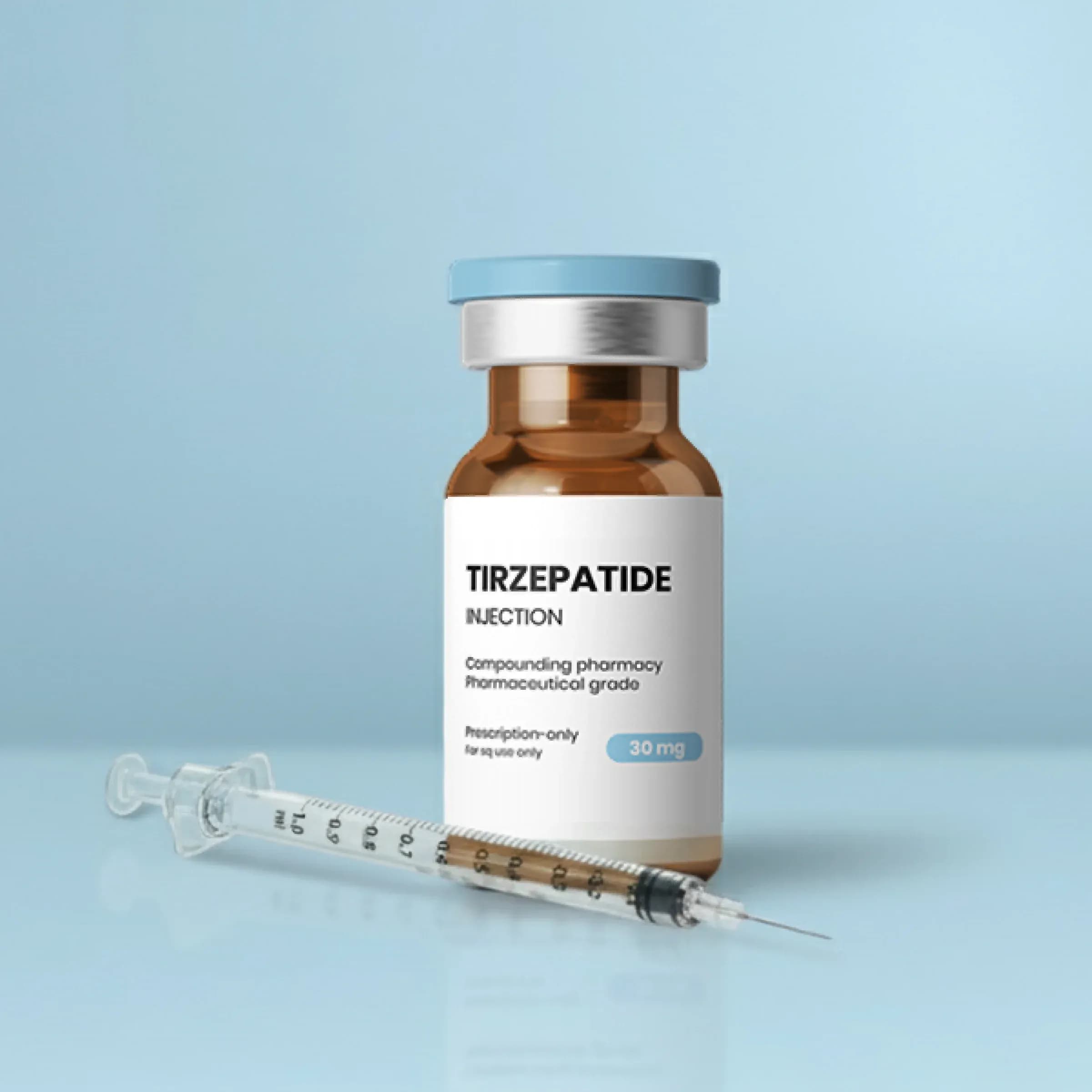
Compounded tirzepatide is prepared by a licensed pharmacy for one patient's prescription and is not FDA-approved, which means the FDA hasn't reviewed it for safety, effectiveness or quality. It is not made by Eli Lilly, and it is not a generic: no generic of Zepbound has been FDA-approved as of November 2026. The FDA says compounded drugs should only be used in patients whose medical needs cannot be met by an FDA-approved drug, and a licensed provider makes that call for each patient. The Zepbound trial results in this article have not been shown for compounded tirzepatide.
Three practical differences matter:
- It usually comes in a multi-dose vial, not a prefilled pen. In an August 12, 2026 letter to state medical boards, the FDA noted that compounded tirzepatide may come at 17 mg/mL, so the volume you draw is not interchangeable with a Zepbound dose. Use only the written instructions for your vial.
- Insurance doesn't cover it, though HSA and FSA funds may be eligible.
- Its safety record is thinner. The FDA had received more than 730 reports of adverse events tied to compounded tirzepatide as of May 31, 2026, a number it says is likely undercounted.
At MaxLife, compounded tirzepatide costs $120 a month, flat, with no membership fee. The price is all-inclusive: a licensed provider's review and follow-up, the medicine if prescribed, supplies and free expedited shipping. Higher doses are available when a provider prescribes them, at the same price. MaxLife is a telehealth patient management platform, not a pharmacy: independent licensed providers decide whether a prescription is right for you, and licensed partner pharmacies prepare and dispense it.
Over a year, 13 fills of Zepbound come to about $5,637 if you step up to 7.5 mg or more and refill on time, while MaxLife stays at $120 a month, flat, the same price at every dose. Be clear about the trade: you pay less, and you give up FDA approval, insurance coverage and Lilly's prefilled pens. To compare total costs across programs, see our cheapest tirzepatide online guide and our comparison of 24 online tirzepatide providers.
Is Wegovy Cheaper Than Zepbound?
Usually, yes, at self-pay prices. As of November 2026, NovoCare charges new patients $199 for each of the first two Wegovy pen fills, then $349 a month, while Zepbound costs $299 to start and $449 at most maintenance doses. The Wegovy pill starts at $149.
| Cost | Wegovy (NovoCare) | Zepbound (LillyDirect) |
|---|---|---|
| First month | $199 (pen) or $149 (pill) | $299 |
| Maintenance month | $349 (pen), $399 (Wegovy HD) or $299 (pill) | $399 (5 mg) or $449 (7.5 mg to 15 mg) |
| First year, 13 fills | About $4,237 (pen) | About $5,637 if you reach 7.5 mg or more |
Wegovy is also the closest FDA-approved alternative in effect, but not an equal one. In SURMOUNT-5, a 72-week trial of 751 adults with obesity and without diabetes, funded by Eli Lilly, people taking Zepbound lost an average of 20.2% of body weight, compared with 13.7% on Wegovy. If you want more from semaglutide, the Wegovy label has allowed Wegovy HD (7.2 mg) since March 19, 2026; in its trial, adults lost 18.8%, compared with 15.5% on 2.4 mg and 3.9% on placebo.
Wegovy has one approved use Zepbound lacks: lowering the risk of heart attack, stroke and cardiovascular death in adults with heart disease and obesity or overweight (Wegovy label). Our tirzepatide vs Wegovy comparison covers dosing and side effects. If you'd rather pay cash for semaglutide, compounded semaglutide costs $89 a month, flat, at MaxLife; it is not FDA-approved either.
Is There a Zepbound Pill?
No. Zepbound and Mounjaro are injections only, and the FDA's drug database lists no tirzepatide pill as of November 2026 (Drugs@FDA). If you want to stop injecting, two FDA-approved GLP-1 pills treat weight:
- Foundayo (orforglipron), Lilly's once-daily pill, approved on April 1, 2026. You can take it with or without food. At the top dose (17.2 mg), adults lost an average of 11.1% of body weight over 72 weeks, compared with 2.1% on placebo (Foundayo label). LillyDirect lists it at $149 to $299 a month.
- The Wegovy pill (semaglutide), approved December 22, 2025. Adults on the 25 mg dose lost 13.6% over 64 weeks, compared with 2.4% on placebo. You take it in the morning on an empty stomach with up to 4 ounces of water, then wait 30 minutes before eating. It costs $149 to $299 a month.
Tirzepatide tablets, drops or sprays sold online are not FDA-approved, and they haven't been tested in clinical trials.
Older and Non-GLP-1 Alternatives to Zepbound
Older drugs cost less or avoid injections, but each produced less weight loss than Zepbound in its trials.
- Liraglutide (Saxenda or generic): a daily GLP-1 injection. Adults on Saxenda lost 7.4% over 56 weeks, compared with 3.0% on placebo. The FDA approved the first generic of Saxenda on August 27, 2025, and Novo Nordisk is discontinuing Saxenda, with last shipments to wholesalers in late January 2027.
- Qsymia (phentermine and topiramate): a daily capsule. At the top dose, adults lost 10.9% over 56 weeks, compared with 1.6% on placebo. Its maker lists $74.99 for 30 days through its home delivery pharmacy. It is not for use in pregnancy.
- Contrave (naltrexone and bupropion): tablets that act on appetite and craving pathways in the brain. Adults lost 5.4% over 56 weeks, compared with 1.3% on placebo. Its maker lists $99 a month through its CurAccess program. It carries a boxed warning about suicidal thoughts.
- Phentermine: an older, low-cost appetite suppressant labeled for short-term use only (a few weeks).
- Orlistat: prescription Xenical, or Alli over the counter, which blocks some dietary fat from being absorbed.
Each has its own safety limits, which your provider will check against your history.
Are There Zepbound Alternatives Covered by Insurance?
Sometimes, and the covered option often depends on your diagnosis and your plan's formulary more than on which drug works best.
- Employer plans: only 18% of firms with 200 or more workers covered GLP-1 drugs for weight loss in 2026, according to KFF. A plan that excludes Zepbound may still list Wegovy or Foundayo, so ask your insurer for its formulary.
- Type 2 diabetes: ask your plan about Mounjaro, which is approved for diabetes rather than weight loss.
- Medicare: Part D can cover GLP-1 drugs for type 2 diabetes, moderate to severe obstructive sleep apnea and MASH, according to CMS. For weight loss alone, the Medicare GLP-1 Bridge offers eligible members who meet its BMI criteria Foundayo, Wegovy (pen or pill) or the Zepbound KwikPen for $50 a month through December 31, 2027.
- Denials: you can appeal. Our guide to weight loss drugs covered by insurance explains prior authorization and appeals.
Insurance doesn't cover compounded tirzepatide. It is a cash-pay option, so compare its full monthly price with your copay for a covered brand before you choose.
Is There an Over-the-Counter Alternative to Zepbound?
No. Every GLP-1 medicine, tirzepatide included, needs a prescription. Alli (orlistat 60 mg) is sold over the counter, but it works differently and produces much less weight loss. Supplements sold as a "natural Zepbound" are not FDA-approved drugs, and none has shown results close to prescription treatment. The FDA warns against tirzepatide sold "for research purposes" or "not for human consumption" because these products are of unknown quality.
What If Side Effects Are Your Reason for Switching?
Talk to your provider first, because the fix is often the dose. The Zepbound label says that if you don't tolerate a maintenance dose, your provider can consider a lower one (5 mg, 10 mg and 15 mg are all maintenance doses). Most nausea, vomiting and diarrhea in the trials happened while the dose was rising and decreased over time.
Wegovy, Foundayo and liraglutide list similar stomach side effects, so switching within the GLP-1 class may not help. Call your provider promptly for severe stomach pain that may spread to your back, signs of gallbladder problems, or vomiting that leaves you dehydrated. Tirzepatide is not for anyone with a personal or family history of medullary thyroid carcinoma or MEN 2, and the label says to stop it when pregnancy is recognized.
How Do You Switch From Zepbound Safely?
Switch with a licensed provider, as a new prescription, and without overlapping drugs.
- Don't overlap. The Zepbound label advises against using it with any other tirzepatide product or GLP-1 medicine. Your provider sets the timing between your last Zepbound dose and your first dose of anything else.
- Expect a new dose. Your provider decides the starting dose of the new medicine. No label converts a Zepbound dose into another drug's dose, and a compounded vial is measured in milligrams drawn by volume, so a pen dose doesn't translate into syringe units.
- Don't stop without a plan. In the SURMOUNT-4 trial, people switched from Zepbound to placebo after 36 weeks regained 14% of their body weight over the next year, while those who kept taking it lost a further 5.5%.
- Check coverage first. If insurance pays for your Zepbound, confirm what it will cover before you cancel the prescription.
Find Your Zepbound Alternative With Medical Guidance
If cost is the reason and you want to stay on tirzepatide, MaxLife offers compounded tirzepatide for cash, with no insurance needed. The online intake takes about 2 minutes. A licensed provider reviews it, usually within 24 hours, and you can ask for a video visit. MaxLife serves all 50 states, has a Spanish-speaking team and is LegitScript certified. Start on the compounded tirzepatide page to see whether you qualify.
Conclusion
No FDA-approved drug has outperformed Zepbound head to head, so the best alternative is the one that fixes your reason for leaving. If price is the problem, start with Zepbound itself through LillyDirect, the $25 savings card or the $50 Medicare GLP-1 Bridge. Compounded tirzepatide costs less, $120 a month, flat, at MaxLife, but it is not FDA-approved and not equivalent to Zepbound. Wegovy is the closest FDA-approved drug in effect and usually costs less, and Foundayo and the Wegovy pill avoid needles. Choose with a licensed provider.
Frequently Asked Questions
Compounded Tirzepatide: $120/mo Flat, All-Inclusive
MaxLife compounded tirzepatide: $120 a month, flat. All-inclusive, no membership fee, the same price at every dose. A licensed provider decides.
Check Your EligibilityThis article is for informational purposes only and is not a substitute for professional medical advice, diagnosis, or treatment. Individual results vary. Pricing, insurance coverage, and compounding regulations described here are subject to change; verify current details with your insurance provider, the manufacturer, or your prescriber before making treatment decisions. Compounded medications are not FDA-approved.
Why trust our experts

April Foster, DO MPH
Reviewer
Board Certified Family Medicine Physician licensed nationwide providing collaborative oversight to NPs, PAs, and RN. Also specializing in telemedicine services nationwide.
Sources
- LillyDirect: Zepbound self-pay pricing
- LillyDirect: Mounjaro self-pay pricing
- LillyDirect: Foundayo self-pay pricing
- NovoCare: Wegovy self-pay pricing and savings
- TrumpRx.gov: Zepbound list and self-pay price
- Zepbound (tirzepatide) prescribing information (DailyMed)
- Mounjaro (tirzepatide) prescribing information (DailyMed)
- Wegovy (semaglutide) injection and tablets prescribing information (DailyMed)
- Foundayo (orforglipron) prescribing information (DailyMed)
- FDA: FDA approves Foundayo (orforglipron), April 1, 2026
- FDA: FDA approves higher-dose semaglutide (Wegovy HD), March 19, 2026
- Novo Nordisk: FDA approves Wegovy pill (December 22, 2025)
- Saxenda (liraglutide) prescribing information (DailyMed)
- Novo Nordisk: Saxenda discontinuation notice
- FDA: 2025 first generic drug approvals (liraglutide, August 27, 2025)
- Qsymia (phentermine and topiramate) prescribing information (DailyMed)
- Qsymia: Cost and savings
- Contrave (naltrexone and bupropion) prescribing information (DailyMed)
- Contrave: Cost and CurAccess program
- Alli (orlistat 60 mg) Drug Facts label (DailyMed)
- CMS: Medicare GLP-1 Bridge
- CMS: Medicare GLP-1 Bridge information for providers
- KFF: 2026 Employer Health Benefits Survey
- FDA: Clarifies policies for compounders as national GLP-1 supply begins to stabilize
- FDA: Concerns with unapproved GLP-1 drugs used for weight loss
- FDA letter to the Federation of State Medical Boards on compounded GLP-1 vials (August 12, 2026)
- Drugs@FDA (openFDA): tirzepatide applications
- FDA Orange Book: Zepbound patent and exclusivity information
- Sandoz media release (June 29, 2026): FDA accepts Sandoz applications for a proposed tirzepatide autoinjector
- New England Journal of Medicine: Tirzepatide Once Weekly for the Treatment of Obesity (SURMOUNT-1)
- New England Journal of Medicine: Tirzepatide as Compared with Semaglutide for the Treatment of Obesity (SURMOUNT-5)
- JAMA: Continued Treatment With Tirzepatide for Maintenance of Weight Reduction (SURMOUNT-4)
- New England Journal of Medicine: Once-Weekly Semaglutide in Adults with Overweight or Obesity (STEP 1)
Zepbound (Tirzepatide) vs Wegovy: 7 Differences to Know
September 11, 202615 min
Tirzepatide Cost: Price Per Month With and Without Insurance
August 20, 202614 min
Wegovy Alternative: 5 Options That Actually Work
August 18, 20267 min
Weight Loss Drugs Covered by Insurance: What to Know
August 20, 20269 min